Have you noticed a loss of interest in things you used to enjoy? Maybe you or someone close to you seems unusually indifferent or unmotivated.
These changes can feel confusing and even alarming. Could this apathy be more than just feeling tired or stressed? Understanding whether apathy is an early sign of dementia might help you spot important warning signals sooner. Keep reading to learn what apathy really means, how it relates to dementia, and what steps you can take if you recognize these signs in yourself or a loved one.
Apathy And Dementia Link
Apathy often appears early in people who develop dementia. It can signal changes in the brain before other symptoms show. Understanding the link between apathy and dementia helps caregivers and families recognize warning signs early.
This connection shows how the brain’s motivation and emotion centers are affected. Apathy is more than just feeling tired or sad. It is a clear sign of changes inside the brain.
What Is Apathy?
Apathy means a lack of interest or emotion. People with apathy do not feel excited or motivated. They may stop caring about hobbies or friends. This is not laziness or mood swings. It is a loss of drive caused by brain changes.
How Apathy Manifests In Dementia
In dementia, apathy shows as low energy and less activity. The person may not start tasks or join conversations. They may seem distant or quiet. Daily tasks like eating or dressing can become harder to start.
This lack of motivation differs from depression. The person may not feel sad but just uninterested. Recognizing apathy helps with early support and care planning.

Credit: www.theaftd.org
Early Dementia Symptoms
Early dementia symptoms often start subtly. They can affect thinking, behavior, and feelings. Recognizing these signs early helps in managing the condition better.
Apathy, or lack of interest, can be one of these early signs. Understanding the different symptoms helps to spot dementia sooner.
Cognitive Changes
Memory loss is common in early dementia. People may forget recent events or names. Problems with problem-solving and decision-making also appear. Difficulty focusing on tasks can happen. These changes affect daily life and work.
Behavioral Shifts
Behavior may change without clear reason. A person might become withdrawn or quiet. Loss of interest in hobbies is typical. They might stop socializing or avoid friends. These shifts can confuse family and friends.
Emotional Signs
Emotions may become flat or blunted. Apathy shows as no excitement or sadness. Mood swings and irritability can occur. Anxiety or depression might develop. These signs affect relationships and well-being.
Recognizing Apathy In Daily Life
Apathy often appears as a subtle change in daily behavior. It can be hard to notice at first. Yet, recognizing apathy early helps identify possible dementia signs. Watching for simple changes in motivation, social life, and interests is important.
These shifts might seem small but can impact life quality. Understanding these signs helps in seeking timely support and care.
Reduced Motivation
Tasks once easy may feel like a burden now. People may stop trying to start new activities. Even simple chores can seem overwhelming. The drive to complete daily routines often fades. This lack of motivation can affect personal care and responsibilities.
Social Withdrawal
Spending less time with friends and family is common. Avoiding social events or calls may happen more often. The person might prefer to be alone. This withdrawal can lead to loneliness and isolation. It often signals emotional changes linked to apathy.
Loss Of Interest
Hobbies and passions might no longer excite the person. Activities once loved can feel boring. This loss can affect mood and energy. It shows a decline in engagement with life. Watching for this change helps spot early dementia signs.
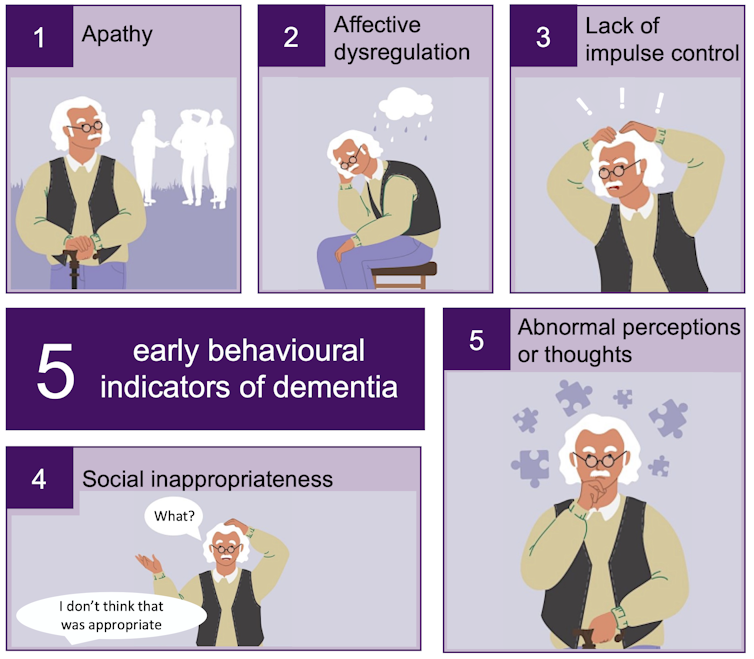
Credit: beingpatient.com
Differentiating Apathy From Depression
Apathy and depression can both appear in people with dementia. They share some signs but are not the same. Understanding the difference helps in giving the right care and support. This section explains how to tell apathy apart from depression.
Key Differences
Apathy means a loss of interest or motivation. People with apathy may not care about things they used to enjoy. They do not feel sad or hopeless.
Depression involves feelings of sadness, guilt, or worthlessness. People with depression often feel very low and may cry or express worry.
In apathy, emotions are flat or dull. In depression, emotions are intense and painful. This difference is important for diagnosis.
Overlap And Challenges
Some symptoms of apathy and depression overlap. Both can cause lack of energy and withdrawal from social activities.
Because of this overlap, doctors may find it hard to tell them apart. Careful observation and asking the right questions help.
Sometimes, apathy and depression happen together. Treating both separately leads to better care and comfort for the person.
When To Seek Medical Advice
Apathy can be an early sign of dementia. Knowing when to seek medical advice is important. Early action helps with diagnosis and care planning. It can improve quality of life. Watch for changes in mood and behavior. Trust your instincts if something feels wrong.
Warning Signs
Notice if a person loses interest in activities. They may stop socializing or talking much. Look for a drop in energy or motivation. Apathy that lasts for weeks should not be ignored. Forgetfulness and confusion may appear alongside apathy. Sudden mood changes or withdrawal are also key signs. Keep track of any unusual behaviors or feelings.
Assessment Methods
Doctors use tests to check memory and thinking skills. They ask about daily habits and mood. Blood tests help rule out other causes. Brain scans can show changes in brain structure. A full medical history is important. Family members may provide useful information. Early assessment leads to better care options.
Managing Apathy In Dementia
Apathy is common in early dementia. It means losing interest in things once enjoyed. Managing apathy is key to improving quality of life. Caregivers and loved ones play a big role. Small steps can help bring back motivation and joy.
Therapeutic Approaches
Therapy can help reduce apathy in dementia. Talking therapies encourage expression of feelings and thoughts. Behavioral therapy focuses on creating daily routines. These routines give structure and purpose. Occupational therapy helps find enjoyable activities. Therapists work with families to support patients. Medication might be prescribed to ease symptoms. Always consult a doctor before starting treatment.
Lifestyle Adjustments
Simple changes in daily life boost engagement. Regular exercise improves mood and energy. Social activities keep the mind active and connected. Healthy meals support brain function and health. Avoid long periods of inactivity or isolation. Creating a calm and safe environment reduces stress. Consistent sleep schedules help maintain mental balance. Small, positive changes make a big difference over time.

Credit: newatlas.com
Frequently Asked Questions
What Is Apathy In Dementia Patients?
Apathy in dementia means a lack of interest or motivation. It often appears as emotional flatness and reduced activity. This symptom can be an early sign of dementia, indicating brain changes affecting mood and behavior.
How Does Apathy Differ From Depression In Dementia?
Apathy involves low motivation without sadness. Depression includes feelings of sadness and hopelessness. Both can co-exist but require different treatments. Accurate diagnosis is key for proper care.
Can Apathy Predict Dementia Development?
Yes, persistent apathy may signal early dementia. It often appears before memory loss. Monitoring apathy helps in early detection and intervention, improving patient outcomes.
What Causes Apathy In Early Dementia?
Apathy is caused by brain changes affecting motivation and emotion control. Damage to specific brain regions reduces interest in activities. This symptom reflects neurological decline linked to dementia.
Conclusion
Apathy can sometimes signal early dementia, but not always. Watch for changes in interest and motivation. Small shifts might mean it’s time to check with a doctor. Early help can improve quality of life. Staying aware helps families support their loved ones better.
Notice feelings and actions carefully. Don’t ignore sudden or lasting lack of care. Understanding these signs makes a real difference. Keep learning and observing with kindness and patience.


 English (Canada)