Have you ever noticed a loved one losing interest in things they once enjoyed? Maybe they seem distant, less motivated, or simply don’t care as much as before.
This feeling, called apathy, can quietly take hold in older adults and affect their daily life and happiness. Understanding apathy is key to helping yourself or someone you care about stay engaged and feel more alive. Keep reading to discover what apathy really means, why it happens, and what you can do to bring back energy and joy.
Your awareness could make all the difference.
Signs Of Apathy
Apathy in older adults can be hard to notice at first. It shows up as a lack of interest or motivation. Recognizing the signs early helps provide the right care and support.
These signs affect daily life and relationships. They often seem like normal aging but are different. Understanding these clues helps family and caregivers respond well.
Behavioral Changes
Older adults with apathy may stop doing hobbies. They may neglect simple tasks like cleaning or cooking. Their daily routines often become less active. They might show less energy and slow movements. These changes are more than just tiredness.
Emotional Flatness
Emotional flatness means fewer feelings show on the face. They may not smile or frown much. Their voice might sound dull or quiet. They seem less excited or upset about events. This lack of emotion can confuse loved ones.
Social Withdrawal
People with apathy often avoid social gatherings. They may cancel plans or not answer calls. Isolation can grow as they lose interest in friends. This makes loneliness worse and affects mental health. Social withdrawal is a clear sign to watch for.

Credit: journals.sagepub.com
Causes Behind Apathy
Apathy in older adults is a common but often overlooked problem. It means a lack of interest or motivation. Many factors can cause this condition. Understanding these causes helps caregivers and family members provide better support.
Several physical, mental, and environmental factors can lead to apathy. Each plays a role in how older adults feel and act daily.
Physical Health Issues
Chronic illnesses can drain energy and reduce motivation. Conditions like heart disease, diabetes, and arthritis often cause pain and fatigue. These symptoms make it hard to stay active or interested in activities. Medication side effects can also dull emotions and energy. Brain changes from diseases like Parkinson’s or stroke affect motivation too.
Mental Health Factors
Depression is a major cause of apathy. It lowers mood and interest in life. Anxiety and stress can also lead to withdrawal and low motivation. Cognitive decline, such as dementia, changes brain function. It can reduce the ability to feel emotions and engage with others. These mental health issues need attention to improve quality of life.
Environmental Influences
Isolation and loneliness are common in older adults. Lack of social interaction can cause feelings of emptiness. A dull or unstimulating environment can reduce interest in surroundings. Loss of loved ones or routine disrupts daily life. These changes can lead to apathy and withdrawal. Supportive environments encourage engagement and reduce apathy risks.
Impact On Daily Life
Apathy in older adults can deeply affect daily life. It reduces interest in activities once enjoyed. Simple tasks may feel overwhelming or pointless. This lack of motivation impacts many areas of living.
Relationships And Social Life
Apathy makes socializing harder. Older adults may avoid friends and family. They might not answer calls or attend events. This can lead to loneliness and isolation. Relationships may weaken over time without effort.
Cognitive Functioning
Apathy can slow thinking and memory. It lowers the drive to learn or solve problems. Mental sharpness may decline without stimulation. This can increase the risk of dementia and other issues. Staying mentally active becomes a big challenge.
Overall Well-being
Daily motivation affects health and happiness. Apathy can cause poor eating and less exercise. Sleep problems may also appear. These factors lower energy and mood. Physical health often worsens alongside emotional health.
Assessment Methods
Assessing apathy in older adults requires careful methods. These methods help identify symptoms and guide treatment. Accurate assessment improves care and quality of life.
Several approaches exist to evaluate apathy. Each method offers unique insights. Combining them gives a clearer picture of the condition.
Clinical Evaluations
Doctors use clinical evaluations to observe behavior and mood. They ask about daily activities and interest levels. Physical exams and mental tests check for other issues. These evaluations help rule out depression or dementia. Clinicians watch for lack of motivation and emotional response. They use structured interviews to gather detailed information.
Self-reporting Tools
Older adults answer questions about their feelings and actions. These tools measure motivation, energy, and interest in tasks. Simple questionnaires like the Apathy Scale are common. Self-reports provide direct insight into personal experiences. Some may find it hard to describe feelings accurately. Still, these tools are valuable for tracking changes over time.
Family And Caregiver Input
Family members and caregivers observe daily behavior closely. They notice changes in mood and activity levels. Their input helps identify apathy signs not seen in clinics. Caregivers provide examples of withdrawn or passive behavior. This perspective adds depth to the overall assessment. Their observations improve understanding of the older adult’s condition.
Effective Interventions
Apathy in older adults can affect their quality of life and health. Effective interventions help improve mood, motivation, and daily activities. Understanding these interventions is key to supporting older adults facing apathy.
Therapeutic Approaches
Therapy can help older adults express feelings and find new interests. Cognitive-behavioral therapy (CBT) encourages positive thinking and activity. Group therapy offers social support and reduces isolation. Therapy sessions aim to increase motivation and emotional connection.
Lifestyle Modifications
Simple changes in daily routine can reduce apathy symptoms. Physical exercise boosts energy and brain health. Regular social interaction helps maintain emotional bonds. Healthy diet and proper sleep also improve mood and focus.
Medication Options
Doctors may prescribe medications to manage apathy symptoms. Some medicines target brain chemicals linked to motivation. Medication works best combined with therapy and lifestyle changes. Regular medical check-ups ensure safe and effective treatment.

Credit: www.sciencedirect.com
Support Strategies For Caregivers
Caring for older adults with apathy can be tough. Their lack of interest may feel frustrating. Support strategies help caregivers connect and provide better care. Small changes in how you communicate and plan activities make a big difference. Managing your own stress also keeps you strong and patient.
Communication Techniques
Speak clearly and use simple words. Keep sentences short and direct. Use a calm and gentle tone to avoid stress. Give the person time to respond without rushing. Non-verbal cues like eye contact and smiling help too. Show empathy and listen carefully to their feelings.
Creating Engaging Activities
Choose activities based on their past interests. Keep tasks simple and avoid too many steps. Use music, art, or light exercise to spark interest. Encourage small goals and celebrate each success. Change activities if they seem bored or tired. Group activities can boost mood and social skills.
Managing Caregiver Stress
Take breaks often to recharge your energy. Ask for help from family or support groups. Practice deep breathing or short walks for calmness. Keep a routine but stay flexible for unexpected needs. Remember, your health matters to provide good care. Talk about your feelings with trusted friends or professionals.
Preventive Measures
Apathy in older adults can affect their quality of life. Preventive measures help reduce this risk. Small steps make a big difference. These measures focus on body, mind, and social life. They help keep older adults active and engaged.
Promoting Physical Activity
Regular exercise boosts energy and mood. It helps maintain strength and balance. Walking, stretching, or light gardening work well. Physical activity also improves sleep quality. Encourage daily movement, even in small amounts. Choose activities that are safe and fun.
Encouraging Social Engagement
Social contact reduces feelings of loneliness. Group activities and clubs offer purpose and joy. Visits from family or friends brighten the day. Sharing stories and laughter keeps the mind sharp. Social engagement helps older adults feel connected.
Monitoring Mental Health
Watch for signs of sadness or withdrawal. Early detection allows timely support and care. Regular check-ups with health professionals are important. Mental health affects overall well-being. Encourage open talks about feelings and concerns.
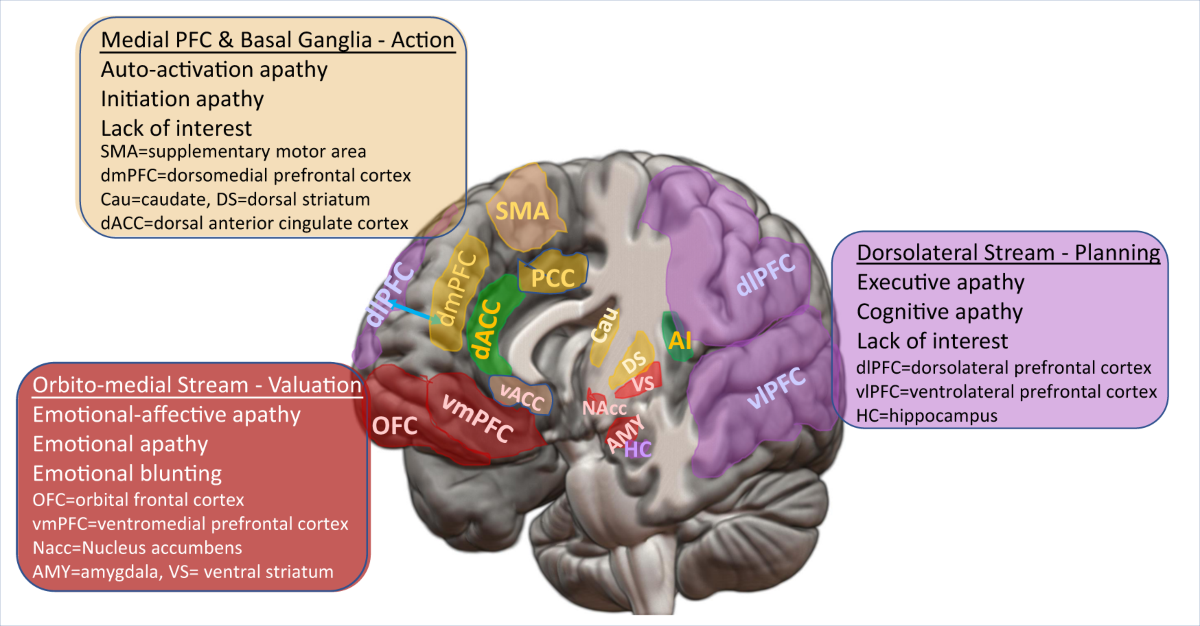
Credit: www.nature.com
Frequently Asked Questions
What Causes Apathy In Older Adults?
Apathy in older adults can be caused by brain changes, depression, chronic illness, or medication side effects. Social isolation and cognitive decline also contribute to reduced motivation and emotional expression.
How Is Apathy Different From Depression In Seniors?
Apathy involves lack of interest or motivation without sadness. Depression includes persistent sadness, hopelessness, and emotional distress. Both can coexist but require distinct treatments.
Can Apathy In Older Adults Be Treated?
Yes, apathy can be managed with therapy, medication adjustments, social engagement, and physical activity. Early intervention improves quality of life and emotional well-being.
What Are Common Signs Of Apathy In Elderly?
Signs include lack of initiative, reduced emotional response, withdrawal from activities, and decreased communication. Family and caregivers should monitor these changes for timely support.
Conclusion
Apathy in older adults affects their daily life and well-being. It can cause feelings of loneliness and loss of interest. Recognizing apathy early helps families and caregivers offer support. Simple activities and social connections can improve mood and motivation. Staying active and involved keeps the mind sharp.
Every small step makes a difference. Care and attention bring hope and comfort. Understanding apathy helps create a kinder, more caring environment for older adults.


 English (Canada)