Have you noticed a loved one becoming unusually indifferent or uninterested in things they once enjoyed? You might wonder if this lack of emotion or motivation is just a phase—or something more serious.
Apathy can be confusing and worrying, especially when it starts to affect daily life. Could it be a sign of dementia? Understanding the connection between apathy and dementia can help you spot early warning signs and take the right steps.
Keep reading to learn what apathy really means and how it relates to your brain health.
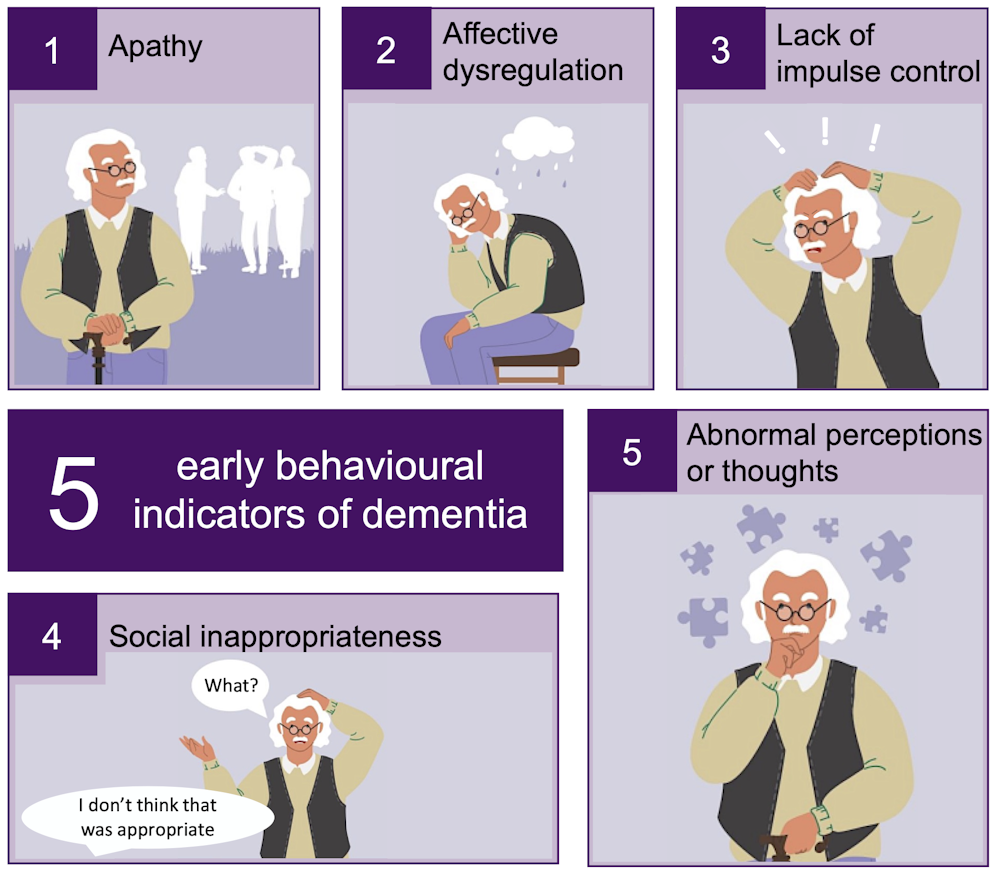
Credit: theconversation.com
Apathy And Dementia Connection
Apathy often appears in people with dementia. It is a common symptom that signals changes in the brain. Understanding the link between apathy and dementia helps caregivers and families respond better.
Apathy means a lack of interest or motivation. People with dementia may stop doing activities they once enjoyed. This change can be confusing and worrying for those around them.
What Apathy Looks Like
Apathy shows as low energy and little emotion. The person may not start conversations or activities. They might seem distant or uninterested in their surroundings.
It is different from sadness or depression. Apathy means they do not feel like doing anything. They may not care about hobbies or social events anymore.
How Dementia Affects Emotions
Dementia changes how the brain controls feelings. It can dull emotional responses and reduce motivation. The person may not react to good or bad news as before.
Emotional changes happen because parts of the brain are damaged. This affects mood, awareness, and social skills. Apathy is one result of these changes in the brain.
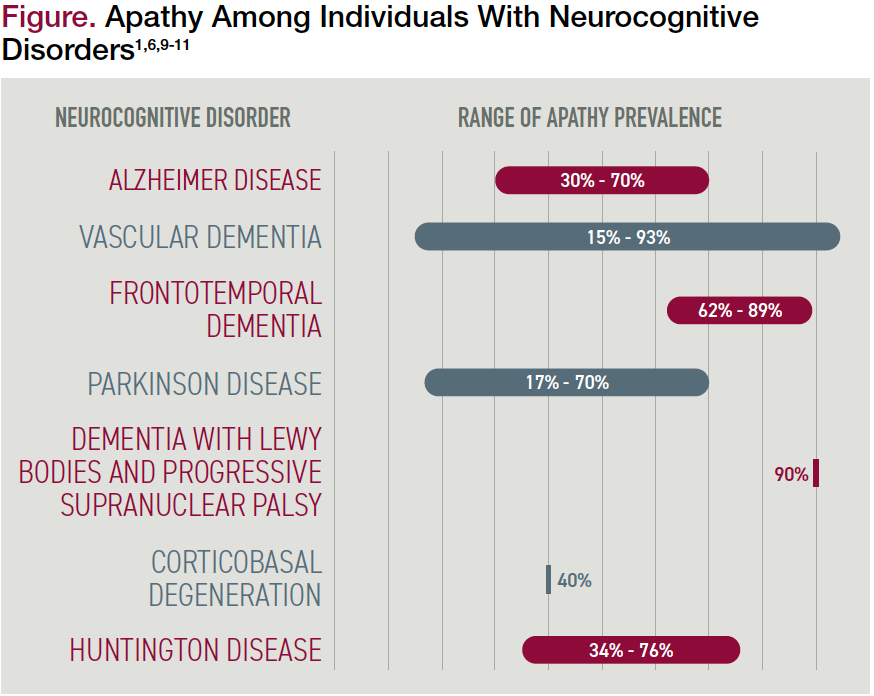
Credit: www.psychiatrictimes.com
Early Warning Signs
Apathy can be an early sign of dementia. Recognizing the early warning signs helps in seeking timely care. These signs often affect daily habits and social life first. Noticing small changes is important. Caregivers and family members should watch closely.
Changes In Motivation
Losing interest in activities once enjoyed is common. Tasks may feel harder or less important. People might stop hobbies or avoid new challenges. This drop in motivation is more than just feeling tired. It can signal brain changes linked to dementia.
Social Withdrawal Patterns
Withdrawing from friends and family is a key sign. Conversations become shorter or less frequent. Avoiding social events or gatherings may happen. Isolation often increases without clear reasons. This pattern shows emotional and cognitive shifts occurring early.
Distinguishing Apathy From Depression
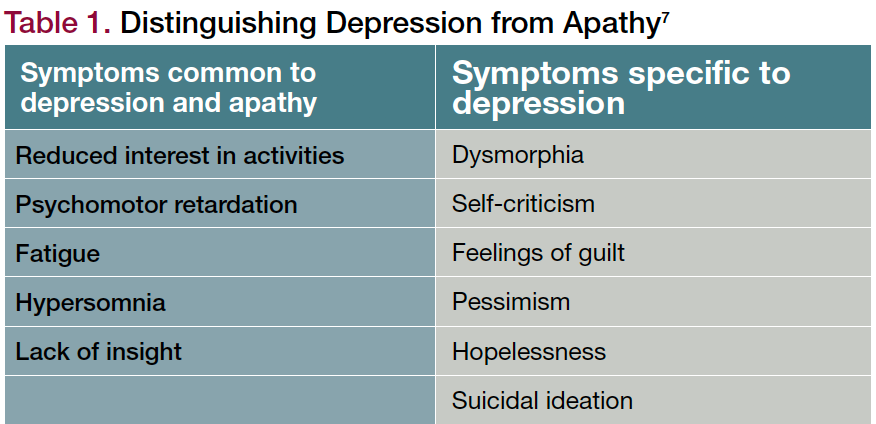
Apathy and depression can look similar but are not the same. Both affect emotions and behavior. Understanding the difference helps in finding the right care. This is important for people showing signs of dementia. Knowing the key signs can guide families and caregivers.
Key Differences To Note
Apathy means lack of interest or motivation. People with apathy may not feel joy or sadness. Depression includes deep sadness and feelings of hopelessness. Depressed people often feel guilty or worthless. Apathy does not usually involve strong emotions. Depression affects sleep, appetite, and energy more. Apathy mainly shows as quietness and withdrawal. These differences help doctors decide on treatment.
When To Seek Professional Help
Seek help if symptoms last for weeks. If a person stops doing daily tasks, get advice. Sudden mood changes also need attention. A healthcare provider can assess if it is apathy or depression. Proper diagnosis leads to better care plans. Early help improves quality of life. Don’t wait if signs worsen or cause distress.
Other Dementia Symptoms To Watch
Apathy can be a sign of dementia, but it is not the only symptom. Many signs can help identify dementia early. Watching for these symptoms can lead to better care and support. Recognizing changes in memory and thinking skills is important.
Memory Loss Indicators
Forgetting recent events is a common sign. People may ask the same questions repeatedly. Losing track of important dates or appointments happens often. Misplacing items and not remembering where is frequent. Difficulty recalling names or familiar places may occur. Memory loss in dementia is more than normal forgetfulness.
Cognitive Decline Signs
Problems with planning or solving simple tasks can appear. Trouble following a conversation or story is common. Difficulty understanding visual images or spatial relationships shows up. Struggling to make decisions or poor judgment may be noticed. Changes in mood or behavior can also happen. These signs show the brain is not working as well as before.
How To Respond To Apathy
Apathy can be hard to face, especially in someone with dementia. It means they may show less interest in things they once enjoyed. Knowing how to respond helps improve their mood and daily life. Simple actions can make a big difference. Here are some ways to handle apathy effectively.
Effective Communication Tips
Speak clearly and calmly. Use short sentences. Give time for answers. Avoid asking too many questions at once. Show patience with slow responses. Use gentle eye contact to connect. Repeat information softly if needed. Avoid raising your voice. Listen carefully to their feelings. Encourage small talks about familiar topics.
Encouraging Engagement Activities
Invite them to join simple tasks. Choose activities they liked before. Start with easy, short activities. Try puzzles, drawing, or light gardening. Use music or photos to spark memories. Encourage movement like walking or stretching. Celebrate small achievements to boost mood. Be flexible and follow their pace. Avoid forcing participation. Make activities social and fun.
Credit: www.psychiatrictimes.com
Medical Evaluation And Diagnosis
Medical evaluation is key to understanding apathy and dementia. Doctors check many signs to find the cause of apathy. A clear diagnosis guides proper care and treatment. The process includes tests, assessments, and input from those who know the patient well.
Tests And Assessments Used
Doctors use several tests to check brain function. Memory tests measure how well a person recalls information. Thinking and problem-solving skills are also evaluated. Brain scans like MRI or CT show physical changes in the brain. Blood tests help rule out other health issues. These tests together help identify dementia and its stage.
Role Of Caregivers In Diagnosis
Caregivers provide crucial information about daily behavior. They notice changes in mood, interest, and activity levels. Their reports help doctors see the full picture. Caregivers often share details about apathy’s start and progress. Their input improves the accuracy of the diagnosis.
Treatment And Support Options
Treating apathy in dementia requires a mix of methods. Doctors use medicines and therapies to help manage symptoms. Support from family and caregivers plays a key role. The right approach improves quality of life and daily function.
Medications That Help
Some medicines may reduce apathy in dementia patients. These include drugs that affect brain chemicals. Cholinesterase inhibitors can improve thinking and motivation. Sometimes, antidepressants are used if mood is low. Doctors decide which medicine suits each person best.
Therapies And Lifestyle Changes
Therapies help boost interest and activity levels. Occupational therapy encourages doing daily tasks. Music and art therapy can spark emotions and engagement. Physical exercise improves mood and brain health. A healthy diet and regular routine support mental well-being. Social activities help reduce isolation and apathy.
Frequently Asked Questions
What Does Apathy Mean In Dementia Patients?
Apathy in dementia means a lack of interest or motivation. It is a common symptom affecting daily activities and emotions. Patients may seem indifferent or unresponsive to their surroundings. This behavior results from changes in brain areas controlling emotions and decision-making.
Is Apathy An Early Sign Of Dementia?
Yes, apathy can be an early sign of dementia. It often appears before memory loss or confusion. Early apathy signals brain changes that affect motivation and emotional responses. Recognizing apathy early helps with timely diagnosis and care planning.
How Is Apathy Different From Depression In Dementia?
Apathy involves loss of motivation without sadness. Depression includes feelings of sadness and hopelessness. Both can appear in dementia but require different treatments. Proper diagnosis helps manage symptoms effectively and improve patient quality of life.
Can Apathy Worsen Dementia Progression?
Apathy itself does not directly worsen dementia but may affect daily function. It can lead to social isolation and reduced activity. These factors may indirectly accelerate cognitive decline. Addressing apathy is important in overall dementia care.
Conclusion
Apathy can sometimes signal dementia but is not always the cause. It’s important to watch for other signs too. Talking to a doctor helps find the real reason behind apathy. Early checks can lead to better care and support. Remember, not all apathy means serious illness.
Stay aware and seek help if changes worry you. Taking action early makes a difference.


 English (Canada)