Have you noticed a sudden loss of interest in things you used to enjoy? Do you feel emotionally flat or indifferent more often than before?
You might be wondering if menopause has anything to do with these feelings. Menopause brings many changes to your body, and apathy—feeling numb or disconnected—can be one of them. Understanding why this happens and what you can do about it is important for your well-being.
Keep reading to discover how menopause might be affecting your emotions and how to regain your spark.
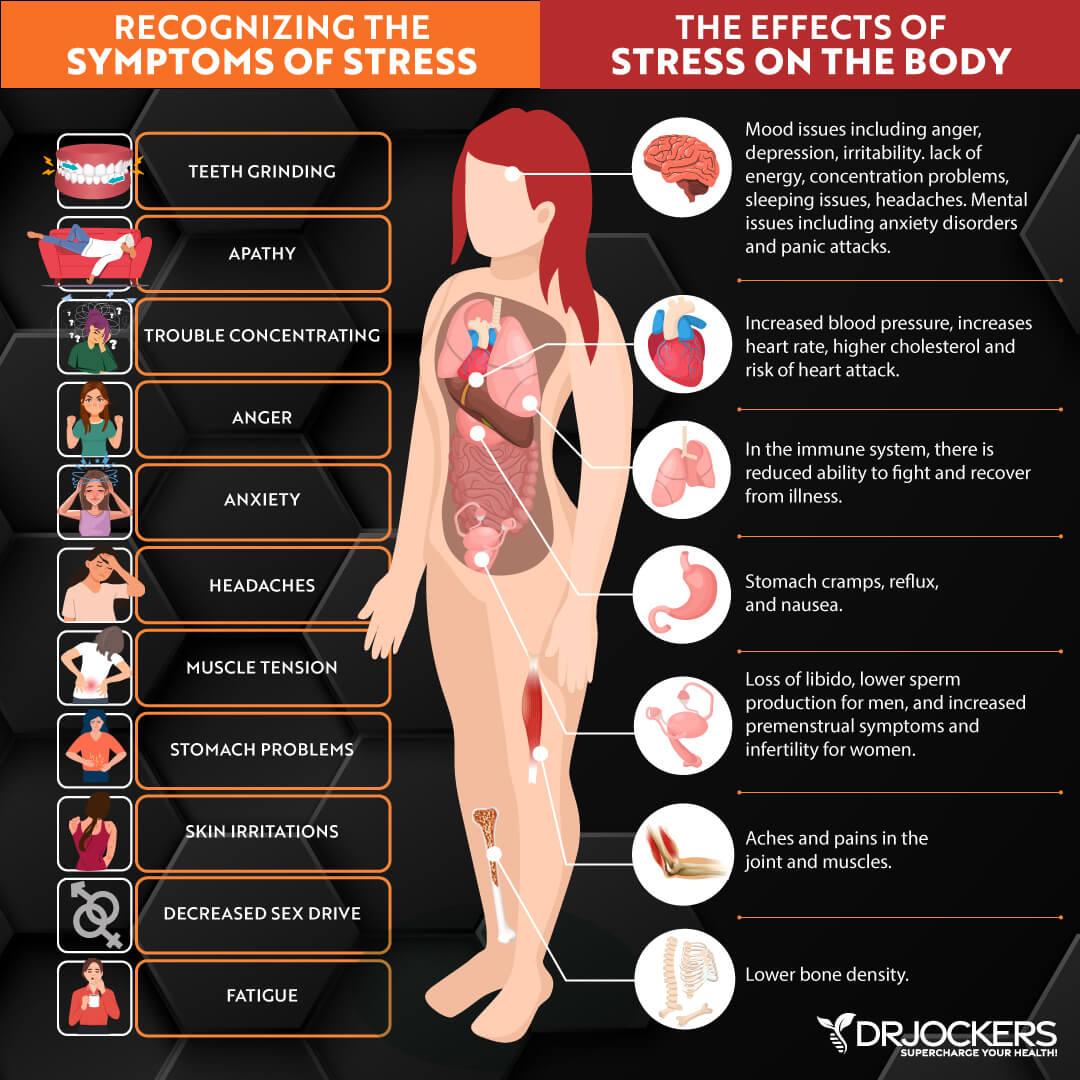
Credit: drjockers.com
Menopause And Emotional Changes
Menopause brings many changes beyond the physical ones. Emotional shifts can be strong and confusing. Many women notice mood swings, feelings of sadness, or even apathy. These changes affect daily life and relationships.
Understanding why these feelings happen helps women cope better. The brain reacts to hormone changes, affecting emotions deeply. Emotional changes during menopause are common and deserve attention.
Hormonal Shifts Impacting Mood
Hormones like estrogen and progesterone drop during menopause. These chemicals control mood and brain function. Lower hormone levels can cause mood swings and irritability.
Estrogen influences serotonin, the “feel-good” brain chemical. Less estrogen means less serotonin, leading to sadness or apathy. Hormone changes also affect sleep, worsening mood problems.
Common Emotional Symptoms
Many women feel anxious or restless during menopause. Some experience sudden mood swings without clear reasons. Apathy, or lack of interest in activities, is also common.
Feelings of fatigue, difficulty concentrating, and low motivation often appear. These symptoms can make daily tasks harder. Recognizing these signs helps seek the right support and care.

Credit: www.dreamstime.com
Apathy Defined
Apathy is a state where a person shows little interest or emotion. It is not just feeling sad or tired. People with apathy may not care about things they once enjoyed.
This feeling can happen during menopause. Hormone changes affect mood and energy. Many women notice they feel less motivated or indifferent.
Understanding apathy helps to know how menopause impacts mental health. It is important to spot the signs early.
Signs And Symptoms
Apathy shows as a lack of interest in daily activities. Tasks may feel pointless or boring. People might avoid social events or hobbies.
There can be less emotional response to good or bad news. Energy levels may drop, making it hard to start anything new. Concentration might also decrease.
Sleep problems and changes in appetite are common. These signs often overlap with menopause symptoms. Noticing them helps to get the right support.
How It Differs From Depression
Apathy is not the same as depression. Depression includes deep sadness, hopelessness, and guilt. Apathy mainly shows as indifference and low motivation.
Depression affects mood strongly. Apathy dulls emotional responses but does not always cause sadness. People with apathy may still feel calm or neutral.
Treatment and care differ for each condition. Knowing the difference guides better help and recovery. Both conditions deserve attention and understanding.
Link Between Menopause And Apathy
Menopause brings many changes to a woman’s body and mind. One common but less talked about change is apathy. Apathy means feeling less interest or emotion toward things. Many women notice a drop in motivation and joy during menopause. Understanding the link between menopause and apathy helps women manage this phase better.
Research Findings
Studies show a clear connection between menopause and apathy. Researchers found many women report feeling emotionally flat during menopause. These feelings often appear alongside mood swings and fatigue. Some studies link lower estrogen levels to higher chances of apathy. Surveys show that up to 50% of menopausal women experience reduced interest in daily activities.
Biological Mechanisms
Hormone changes cause major shifts in the brain during menopause. Estrogen affects brain chemicals that control mood and motivation. When estrogen drops, the brain’s reward system weakens. This change can reduce feelings of pleasure and drive. Other hormones like progesterone also play a role. Changes in sleep and energy levels add to apathy symptoms.
Other Contributing Factors
Menopause can bring many changes, but apathy may not come from hormones alone. Several other factors influence feelings of indifference or lack of interest. Understanding these can help manage apathy better.
Lifestyle Influences
Daily habits affect mood and energy greatly. Poor sleep, low physical activity, and unhealthy eating can lead to tiredness and low motivation. Smoking and alcohol use also worsen feelings of apathy. Creating a balanced routine helps improve mental and physical health. Small changes like walking or eating more fruits can boost mood.
Psychological Stressors
Stress from work, family, or personal issues affects emotional well-being. Anxiety and depression often appear during menopause and increase apathy. Negative thoughts and constant worry drain energy and interest. Seeking support or therapy can reduce these feelings. Managing stress helps restore enthusiasm and focus.
Coping Strategies
Menopause can bring feelings of apathy, making daily life hard. Coping strategies help manage these feelings and improve mood. Small changes and support can make a big difference. Understanding options is the first step to feeling better.
Medical Treatments
Doctors may suggest hormone therapy to balance hormone levels. This can reduce mood swings and apathy. Some women benefit from antidepressants or other medicines. Always follow medical advice and report side effects. Treatment helps many women regain energy and interest.
Lifestyle Adjustments
Exercise boosts mood and fights tiredness. Walking, yoga, or swimming works well. Eating healthy foods supports brain and body health. Sleep is crucial; aim for 7-8 hours nightly. Avoid alcohol and caffeine close to bedtime. Routine helps create stability and reduce apathy.
Therapeutic Approaches
Talking to a counselor can provide support and new ideas. Cognitive-behavioral therapy helps change negative thinking. Group therapy offers connection and shared experiences. Mindfulness and relaxation techniques reduce stress. These methods improve mental health and fight apathy.
When To Seek Help
Menopause can cause many changes in the body and mind. Apathy, or feeling uninterested and unmotivated, is one of them. It is normal to feel this way sometimes. But knowing when to seek help is important. Help can improve your mood and quality of life. Watch for signs that your feelings are more than just normal menopause symptoms.
Warning Signs
Persistent sadness or a loss of interest in daily activities needs attention. Difficulty concentrating or making decisions can also signal a problem. Feeling tired all the time, even after rest, is a red flag. Thoughts of hopelessness or worthlessness should never be ignored. Notice if apathy stops you from doing things you enjoy. These signs may mean a deeper issue than menopause alone.
Professional Resources
Doctors and mental health experts can provide proper diagnosis and care. A primary care doctor can check hormone levels and overall health. Psychologists and counselors help manage emotional changes and apathy. Support groups offer a safe space to share feelings and find comfort. Treatment options include therapy, lifestyle changes, and sometimes medication. Seeking help early makes managing symptoms easier.

Credit: femexcel.com
Frequently Asked Questions
Can Menopause Cause Apathy Symptoms?
Yes, menopause can cause apathy due to hormonal changes. Reduced estrogen affects brain chemicals linked to motivation and mood, leading to feelings of indifference or lack of interest.
Why Does Menopause Lead To Emotional Apathy?
Hormonal fluctuations during menopause impact neurotransmitters like serotonin and dopamine. These changes can reduce emotional responsiveness, causing women to feel emotionally numb or detached.
How Long Does Menopause-related Apathy Last?
Menopause-related apathy varies but often lasts several months to a few years. Symptoms typically improve as hormone levels stabilize after menopause.
Can Hormone Therapy Reduce Menopause Apathy?
Hormone therapy may help reduce apathy by balancing estrogen levels. It can improve mood and motivation, but consult a doctor to discuss benefits and risks.
Conclusion
Menopause can affect mood and feelings deeply. Apathy, or a loss of interest, may happen during this time. Changes in hormones play a big role. Many women notice less energy and motivation. Talking with a doctor helps find the right support.
Simple lifestyle changes can improve mood and well-being. Remember, you are not alone in this experience. Understanding menopause helps manage its effects better. Take small steps to care for your mental health. Feelings can improve with time and the right help.


 English (Canada)