Have you ever felt confused about the words “apathy” and “apathetic”? You’re not alone.
These two terms sound alike but have different meanings and uses. Understanding the difference can help you express yourself more clearly and even recognize feelings in others. If you want to avoid misunderstandings and communicate better, keep reading. This article will break down what apathy and apathetic really mean, how they connect, and why it matters to you.

Credit: www.researchgate.net
Apathy And Apathetic Defined
Understanding the difference between apathy and apathetic helps in clear communication. Both words relate to feelings but serve different roles in language. Knowing their exact meanings improves how you express emotions and attitudes.
Meaning Of Apathy
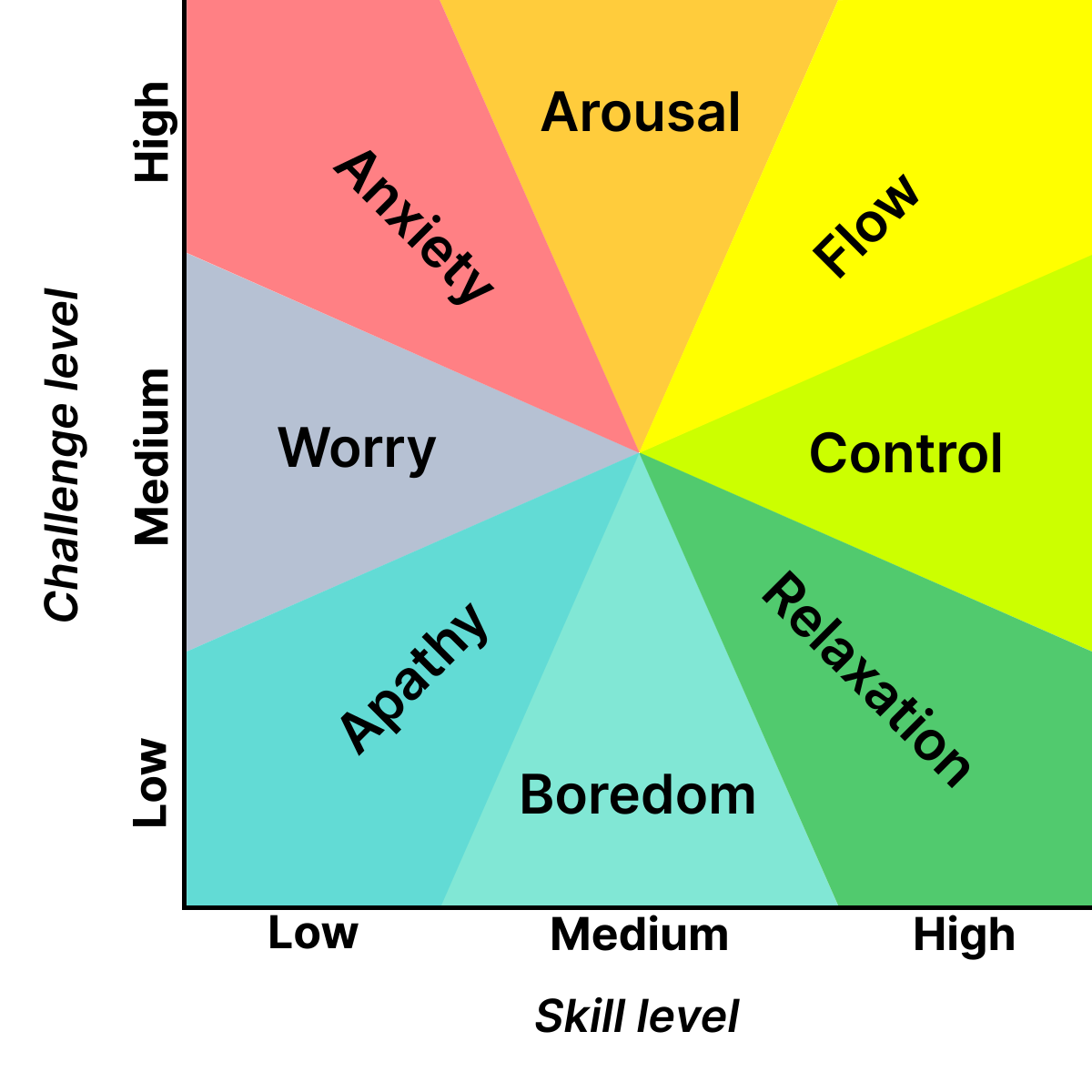
Apathy is a noun. It means lack of interest, enthusiasm, or concern. A person with apathy shows no strong feelings about a situation. It often describes a general state of indifference or emotional numbness. Apathy can affect motivation and decision-making.
Meaning Of Apathetic
Apathetic is an adjective. It describes someone who shows apathy. An apathetic person feels little or no emotion toward something. This word helps describe behavior or attitude. Saying someone is apathetic means they seem uninterested or unconcerned.
Grammatical Roles
Understanding the grammatical roles of “apathy” and “apathetic” helps use them correctly. These words have different functions in sentences. Knowing their roles improves clarity and makes writing stronger.
Apathy As A Noun
“Apathy” is a noun. It names a feeling or state. It means lack of interest or emotion. For example, “His apathy towards the project was clear.” Here, “apathy” acts as the subject. It shows what the sentence talks about. Nouns like “apathy” can be subjects, objects, or complements in sentences.
Apathetic As An Adjective
“Apathetic” is an adjective. It describes a noun by showing lack of interest. For example, “She gave an apathetic response.” The word “apathetic” describes “response.” Adjectives like “apathetic” add detail to nouns. They help show how someone or something feels or behaves.
Usage In Sentences
Understanding how to use apathy and apathetic in sentences helps clarify their meanings. Both words relate to a lack of interest or emotion. Apathy is a noun. It shows a state of not caring. Apathetic is an adjective. It describes a person or their behavior as showing no interest. Seeing these words in sentences makes their use clear and simple.
Examples With Apathy
Many students showed apathy toward the new rules. The community’s apathy caused the project to fail. His apathy surprised everyone at the meeting. Apathy about the environment can harm the planet. The team’s apathy led to poor results.
Examples With Apathetic
She felt apathetic about the upcoming exam. The apathetic crowd did not cheer for the players. He gave an apathetic response to the question. The apathetic worker did not finish the task. Children sometimes act apathetic when tired.
Emotional Implications
Emotions shape how we live and relate to others. Understanding emotional implications helps us grasp the difference between apathy and being apathetic. Both affect feelings but in distinct ways. This section explores how apathy and apathetic traits influence emotions and behavior.
Impact Of Apathy
Apathy means a lack of interest or concern. It can make people feel numb or distant. This often leads to a loss of motivation and energy. Relationships may suffer as emotional connections weaken. Apathy can cause sadness and loneliness over time. It creates a barrier to feeling joy or excitement.
Traits Of Being Apathetic
Being apathetic shows in actions and thoughts. People may avoid emotional situations or ignore problems. They often appear indifferent and unresponsive. This trait can hide deeper feelings like fear or sadness. Apathy may lead to poor decision-making and missed opportunities. It signals a struggle to engage with the world around.
Common Mistakes
Many people confuse the words apathy and apathetic. This mistake can change the meaning of a sentence. Knowing the difference helps you speak and write clearly. Understanding common errors can improve your language skills.
Mixing Up The Terms
Apathy is a noun. It means a lack of interest or emotion. Apathetic is an adjective. It describes someone who shows apathy.
Using apathy as an adjective is wrong. Saying “He is apathy” sounds odd. The right form is “He is apathetic.”
People often say “apathetic feelings,” which is incorrect. Feelings can be apathetic, but apathy itself is not an adjective.
Correct Contexts
Use apathy to talk about a state or feeling. For example, “Her apathy towards school worried her parents.”
Use apathetic to describe a person or their behavior. For example, “He seemed apathetic during the meeting.”
Remember, apathy is the condition. Apathetic shows the condition in a person or thing.

Credit: en.wikipedia.org
Related Words And Synonyms
Understanding related words and synonyms helps clarify the difference between apathy and apathetic. These words share similar meanings but have unique uses. Knowing them improves your vocabulary and writing skills. It also helps you choose the right word in different contexts.
Words Similar To Apathy
Apathy means lack of interest or emotion. Similar words include indifference, which shows no strong feeling. Another synonym is unconcern, meaning no worry or care. Detachment also fits, as it means being emotionally distant. Disinterest is close too, meaning no attention or enthusiasm.
Words Similar To Apathetic
Apathetic describes a person who feels apathy. Synonyms include indifferent, meaning not caring about something. Uninterested is another word, showing no curiosity. Unfeeling means lacking emotion or sympathy. Dispassionate also fits, meaning calm and without strong feelings.
When To Use Each Term
Understanding when to use apathy and apathetic helps in clear communication. Both relate to a lack of interest or emotion, but their uses differ.
One is a noun, the other an adjective. Using the right form makes your sentence correct and easy to understand.
Using Apathy as a NounApathy describes a state or feeling of no interest or concern. Use it to talk about the idea or condition itself.
Example: “His apathy toward the project was obvious.”
Use apathy when you want to name the feeling, not describe a person directly.
Using Apathetic as an AdjectiveApathetic describes a person or their behavior. It shows that someone feels no interest or emotion.
Use apathetic to describe how someone acts or feels.
Common Mistakes To Avoid
Do not use apathy to describe a person. It is a noun, not an adjective.
Avoid saying “He is apathy.” Say “He is apathetic” instead.
Remember, apathy names the feeling. Apathetic describes the person or action.
Credit: en.wikipedia.org
Frequently Asked Questions
What Is The Difference Between Apathy And Apathetic?
Apathy is a noun describing a lack of interest or emotion. Apathetic is an adjective describing someone who shows apathy. Both relate to indifference, but apathy is the state, and apathetic describes a person’s attitude.
How Do Apathy And Apathetic Affect Behavior?
Apathy causes disinterest and lack of motivation. Being apathetic means showing this indifference openly. Both can lead to disengagement in work, relationships, or social issues.
Can Apathy Be A Mental Health Concern?
Yes, prolonged apathy may signal depression or other mental health issues. It affects emotional well-being and daily functioning. Recognizing apathy early helps in seeking proper support or treatment.
Is Being Apathetic Always Negative?
Not always. Sometimes, being apathetic helps avoid unnecessary stress or emotional burnout. However, excessive apathy can harm personal growth and relationships.
Conclusion
Apathy and apathetic may seem alike but differ in use. Apathy is a feeling, a lack of interest or care. Apathetic describes a person showing that feeling. Knowing the difference helps in clear communication. Use these words correctly to express thoughts better.
Language becomes easier and more precise this way. Keep practicing to spot and use them right. Understanding small details improves your English every day.


 English (Canada)