Have you noticed that someone you care about with dementia seems less interested in things they used to enjoy? Maybe they don’t respond much or seem emotionally distant.
This could be a sign of apathy, a common but often misunderstood symptom of dementia. Understanding what apathy is and how it affects your loved one can help you provide better support and improve their quality of life. Keep reading to learn how apathy shows up in dementia and what you can do about it.
Apathy In Dementia
Apathy in dementia is a common symptom affecting many people with the condition. It means a loss of interest or motivation in daily activities. This can make caring for someone with dementia more challenging. Apathy is not just feeling tired or bored. It is a deeper lack of emotion and drive that affects behavior and communication.
Recognizing apathy helps caregivers and doctors provide better support. It shows up differently than other mood problems. Understanding these differences is important for proper care and treatment.
Key Characteristics
Apathy shows as a lack of interest in things once enjoyed. People may stop hobbies or avoid social events. They might not start activities or respond to others. Speech may become slow or less frequent. Emotions seem flat or less intense than before.
Physical actions slow down. The person may sit or lie still for long periods. They might need reminders for daily tasks. Apathy can affect memory and thinking too. It is a clear sign that the brain is changing.
How It Differs From Depression
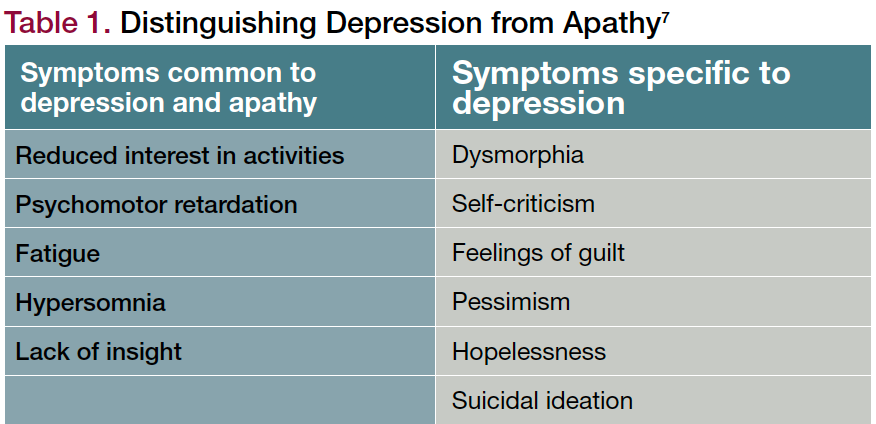
Apathy and depression share some signs but are not the same. Depression includes sadness and feelings of worthlessness. Apathy lacks strong emotions like sadness or guilt. People with apathy do not always feel unhappy. They just show less interest and motivation.
Depressed people may cry or express pain. Those with apathy stay calm and quiet. Sleep and appetite often change with depression. These changes are less common in apathy. Treatment also varies between the two conditions.
Credit: www.nature.com
Recognizing Signs
Apathy is common in dementia. It affects motivation and interest in daily activities. Recognizing signs early helps provide better care and support. Understanding these signs allows caregivers to respond with patience and kindness.
Behavioral Indicators
People with apathy may stop trying new things. They may not join conversations or social events. Tasks once enjoyed can be ignored. This lack of action is a clear sign of apathy in dementia.
Emotional Changes
Emotions may appear flat or less intense. Smiles and laughter might be rare. The person may not show excitement or sadness as before. This emotional dullness signals deeper changes in the brain.
Impact On Daily Life
Apathy can make self-care difficult. Simple routines like dressing or eating may be skipped. Independence declines as motivation fades. This affects overall health and quality of life greatly.
Common Causes
Apathy is a common symptom in dementia. It means a loss of interest or motivation. Understanding what causes apathy helps caregivers and families respond better.
Several factors can cause apathy in people with dementia. These causes can be physical, chemical, or emotional. Each plays a role in reducing a person’s drive or interest.
Brain Changes
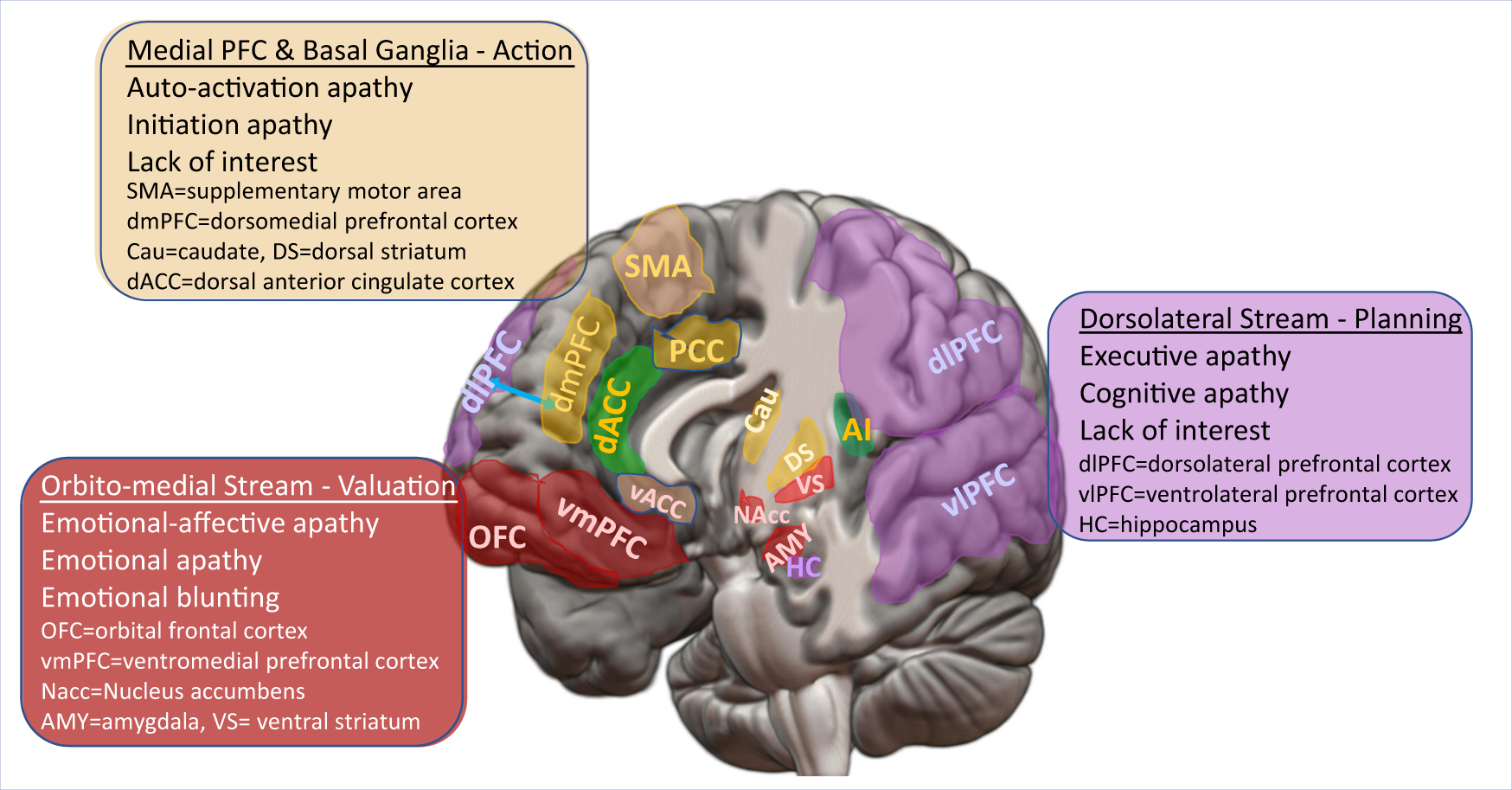
Dementia causes changes in the brain. These changes affect areas that control emotions and motivation. Damage to these parts can make a person feel less interested in activities.
Brain cells may die or stop working properly. This weakens signals that normally create feelings of excitement or desire. The result is often apathy.
Medication Effects
Some medicines used for dementia or other illnesses can cause apathy. These drugs may slow brain activity or affect mood. Side effects can include tiredness and lack of interest.
Doctors must check if medicines contribute to apathy. Adjusting doses or changing drugs can sometimes help improve motivation.
Psychological Factors
Emotions also affect apathy in dementia. Feelings of sadness, fear, or frustration can reduce a person’s drive. Depression is common and can look like apathy.
Social isolation and lack of stimulation worsen these feelings. A person may stop trying because they feel hopeless or overwhelmed.
Credit: www.psychiatrictimes.com
Effective Care Strategies
Effective care strategies help reduce apathy in people with dementia. Apathy means a lack of interest or motivation. This can make daily life harder for both the person and their caregiver. Using clear methods can improve mood and behavior. Simple, focused actions make a big difference.
Communication Techniques
Speak slowly and clearly. Use short sentences. Give time to respond. Avoid asking many questions at once. Use calm, gentle tones. Show patience and understanding. Non-verbal cues like smiles and eye contact help. These make the person feel safe and valued. Repeat important information softly. Avoid correcting or arguing.
Engagement Activities
Choose easy and familiar tasks. Activities like folding clothes or watering plants work well. Use hobbies the person liked before. Music and light exercise can boost mood. Keep sessions short and simple. Watch for signs of tiredness or frustration. Praise effort, not results. Adjust activities to the person’s energy level. Small successes build confidence.
Creating Supportive Environments
Keep rooms bright and tidy. Reduce noise and distractions. Use familiar objects and photos. These create comfort and safety. Arrange furniture for easy movement. Provide clear signs and labels. Encourage independence by offering choices. A calm space helps reduce stress. Consistency in routine brings stability. Supportive settings help lessen apathy symptoms.
When To Seek Professional Help
Apathy in dementia can be hard to notice at first. It means losing interest in things once enjoyed. Knowing when to seek professional help is important. Early support can improve quality of life. It can also slow down the decline in mood and function.
Caregivers and family members should watch closely for changes. Some signs show that symptoms are getting worse. Acting quickly can bring better results. Medical experts can offer advice and treatments that help manage apathy.
Signs Of Worsening Symptoms
Look for changes in daily habits. Does the person stop talking or smiling? Do they ignore family and friends? A lack of motivation to eat or dress is serious. Notice if they sleep too much or too little. Sudden confusion or anger may also appear. These signs mean professional help is needed soon.
Available Treatments
Treatments vary depending on the person’s needs. Doctors may suggest medications to improve mood. Therapy can help encourage social interaction. Simple activities like walking or listening to music help too. Support groups provide comfort and advice for caregivers. Regular check-ups track progress and adjust care plans.

Credit: www.alzheimers.org.uk
Frequently Asked Questions
What Is Apathy In Dementia Patients?
Apathy in dementia means a lack of motivation or interest. It causes reduced emotional response and social withdrawal. This symptom affects daily activities and quality of life. Recognizing apathy early can help manage its impact effectively.
How Does Apathy Affect Dementia Progression?
Apathy worsens dementia by reducing engagement in activities. It can lead to faster cognitive decline and social isolation. Addressing apathy improves patient participation and slows progression. Proper care and stimulation are essential to counter apathy’s effects.
What Are Common Signs Of Apathy In Dementia?
Common signs include loss of interest, emotional flatness, and decreased initiative. Patients may stop hobbies and avoid social interactions. These signs differ from depression but still need attention. Early detection helps provide better support and treatment.
Can Apathy In Dementia Be Treated?
Yes, apathy can be managed with medication and therapy. Behavioral interventions, social activities, and exercise help improve motivation. Treatment focuses on enhancing engagement and quality of life. Consulting healthcare providers ensures tailored care plans.
Conclusion
Apathy in dementia affects many people and their families. It causes loss of interest and motivation. This can make daily life harder. Understanding apathy helps in giving better care. Small changes can improve mood and activity. Patience and support are very important.
Caregivers should watch for signs and seek help. Every person with dementia is unique. Learning about apathy brings hope and comfort. It guides how to respond with kindness. Together, we can make life better for those affected.


 English (Canada)