Have you noticed a loved one losing interest in things they used to enjoy? Maybe your elderly parent or grandparent seems distant, unmotivated, or emotionally flat.
This lack of feeling or enthusiasm is called apathy, and it can be confusing and worrying. Understanding the causes of apathy in elderly people is key to helping them feel better and more connected. You’ll discover the main reasons behind this silent struggle and learn what you can do to support your loved one.
Keep reading to find answers that could make a real difference in their life—and yours.

Credit: www.nature.com
Common Causes
Apathy in elderly people can start for many reasons. It often shows as a lack of interest or motivation. Understanding common causes helps to spot the problem early. It also guides caregivers on how to help better.
Physical Health Issues
Chronic pain can make elderly people feel tired and uninterested. Conditions like arthritis or heart disease limit daily activities. This limitation lowers their mood and energy. Poor sleep and fatigue also reduce motivation. Physical illness can drain both body and mind.
Mental Health Disorders
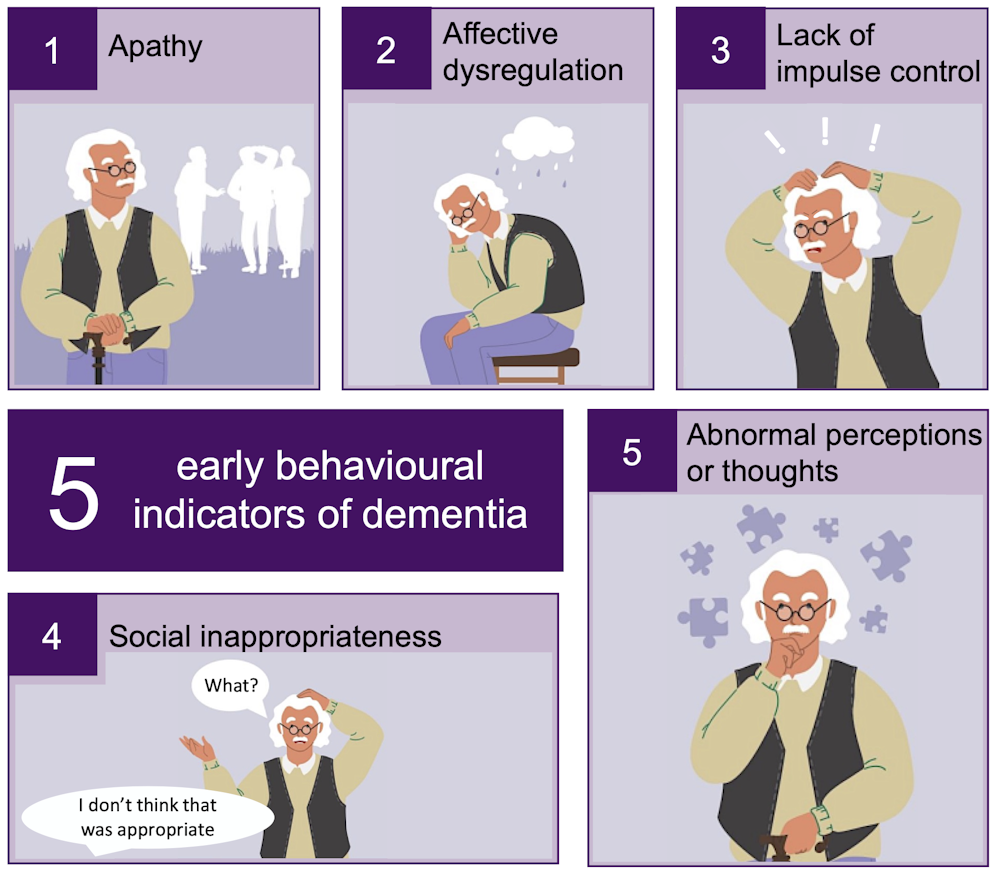
Depression is common and often causes apathy in older adults. It makes them feel empty and hopeless. Anxiety can also lead to withdrawal from activities. Dementia affects the brain, reducing emotional responses. These mental health problems dull feelings and interest.
Medication Side Effects
Some medicines cause tiredness or confusion. These side effects can reduce interest in daily tasks. Blood pressure drugs and sedatives often cause fatigue. Side effects may not be obvious but impact mood. It is important to review medications regularly.
Hidden Signs
Apathy in the elderly is often hard to spot. Many signs are quiet and easy to miss. These hidden signs show changes deep inside. They affect how seniors feel and act daily. Recognizing these signs helps in giving the right support early.
Behavioral Changes
Small shifts in behavior can signal apathy. A person might stop doing hobbies they loved. Tasks that were once easy may feel hard now. They may move slower or seem less interested. These changes often happen little by little.
Emotional Withdrawal
Emotional withdrawal means pulling away from feelings. Seniors may seem less happy or sad. They might not react strongly to good or bad news. It can look like they do not care anymore. This quiet distance is a key sign of apathy.
Social Isolation
Many elderly people start avoiding others. They may skip family gatherings or friend visits. Loneliness grows as they stay inside more. Social isolation often hides deeper emotional struggles. Watching for this helps catch apathy early.
Impact On Daily Life
Apathy in elderly people affects many parts of their daily life. It can make simple tasks feel hard or not worth doing. This lack of interest changes how they live and interact with others. Understanding these changes helps caregivers and family offer better support.
Reduced Motivation
Elderly individuals with apathy often lose drive to start activities. They may not want to try new things or finish tasks. Even hobbies or favorite pastimes can feel boring. This lack of motivation can lead to less physical activity and mental stimulation.
Decline In Self-care
Taking care of oneself may become difficult. Basic habits like bathing, dressing, or eating can be ignored. Clothes might become dirty or meals skipped. Poor self-care affects health and comfort, leading to more problems over time.
Effect On Relationships
Apathy can create distance between elderly people and their loved ones. They may not respond to calls or visits. Conversations might become short or stop altogether. This can cause loneliness and sadness for everyone involved.
Credit: theconversation.com
Effective Solutions
Apathy in elderly people can cause many problems. It affects their mood, health, and daily life. Finding the right solutions helps improve their well-being. Effective solutions target different causes of apathy. These include medical help, therapy, and changes in lifestyle.
Medical Interventions
Doctors may prescribe medicines to treat apathy. Sometimes, apathy links to depression or other health issues. Treating these problems often reduces apathy symptoms. Regular check-ups help monitor changes in health. Medication must be used carefully and under supervision.
Therapeutic Approaches
Therapy offers support and guidance to elderly people. Talking with a counselor can boost motivation and mood. Cognitive-behavioral therapy helps change negative thoughts. Group therapy provides social interaction and support. Therapy sessions focus on improving interest and activity levels.
Lifestyle Adjustments
Simple daily changes can reduce apathy signs. Regular exercise increases energy and improves mood. Healthy eating supports brain and body health. Social activities keep elderly engaged and connected. Setting small goals helps create a sense of purpose.
Support Systems
Support systems play a key role in reducing apathy in elderly individuals. These systems offer emotional comfort and practical help. They create a sense of belonging and purpose. Without strong support, feelings of loneliness and indifference can grow. Different types of support affect elderly people in unique ways.
Understanding these support systems helps families and caregivers provide better care. It also helps elderly people stay active and engaged.
Family Involvement
Family members are often the first source of support for elderly people. Regular visits and phone calls bring joy and connection. Family can encourage hobbies and social activities. Sharing stories and experiences keeps the mind active. Simple acts like helping with daily tasks show care and respect. Lack of family contact can deepen feelings of apathy and isolation.
Community Resources
Communities offer many resources that support elderly well-being. Senior centers provide social events and group activities. Local clubs and classes help build friendships and skills. Transportation services make it easier to attend gatherings. Volunteer groups offer companionship and assistance. Using these resources helps maintain a sense of purpose and belonging.
Professional Care
Health professionals play a vital role in managing apathy. Doctors can identify medical causes like depression or medication side effects. Therapists provide counseling and support for emotional challenges. Caregivers assist with daily living tasks and monitor health. Professional care ensures that elderly people get the right treatment and attention. This care boosts their mood and motivation.

Credit: en.wikipedia.org
Frequently Asked Questions
What Are Common Causes Of Apathy In Elderly People?
Apathy in elderly often stems from depression, chronic illness, or medication side effects. Cognitive decline and social isolation also contribute significantly to reduced motivation and emotional responsiveness.
How Does Depression Lead To Apathy In Seniors?
Depression affects brain chemicals that regulate mood and motivation. This imbalance can cause seniors to lose interest in activities, leading to noticeable apathy and emotional withdrawal.
Can Physical Health Issues Cause Apathy In The Elderly?
Yes, chronic diseases like Parkinson’s, heart conditions, or stroke can impair brain function. Pain and fatigue from these illnesses often reduce energy and interest in daily tasks.
Does Social Isolation Increase Apathy Risk In Older Adults?
Social isolation limits mental stimulation and emotional support. Without social interaction, seniors may experience loneliness and detachment, which often results in apathy and decreased engagement.
Conclusion
Apathy in elderly people has many causes. Health problems, loneliness, and changes in the brain all play a role. Understanding these causes helps families and caregivers offer better support. Small actions, like spending time and showing care, can make a big difference.
Watch for signs of apathy early. Early help can improve mood and quality of life. Remember, patience and kindness matter most. Every elderly person deserves respect and attention. Helping them stay active and connected is key. Keep learning about their needs to provide the best care.


 English (Canada)