
Have you noticed a loved one with dementia becoming less interested in things they used to enjoy? You might be witnessing apathy—a common but often misunderstood symptom.
Understanding what causes apathy in dementia can help you respond with patience and care. You’ll learn why apathy happens, how it affects your loved one, and what you can do to make a positive difference. Keep reading to uncover the key factors behind this challenging behavior and find hope in managing it better.
Apathy In Dementia
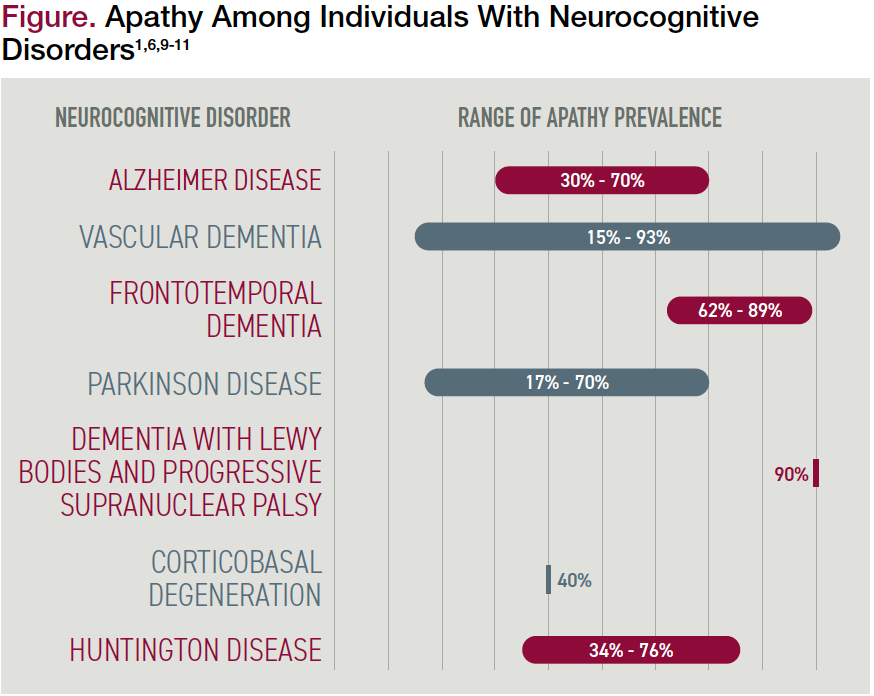
Apathy is a common sign in people with dementia. It means a loss of interest and motivation. Many patients seem quiet and withdrawn. They may not want to do things they once enjoyed. This can be confusing for families and caregivers.
Apathy is more than just feeling tired or sad. It affects how people act and feel every day. Understanding apathy helps improve care and support for those with dementia.
Signs And Symptoms
People with apathy often show little emotion. They may not respond to social activities or conversations. Simple tasks like dressing or eating might be ignored. They may seem lazy, but it is a symptom of the brain changes.
Other signs include reduced speech and lack of eye contact. The person may not show interest in hobbies or friends. This can last for weeks or months.
Impact On Patients And Caregivers
Apathy makes life harder for patients. It can speed up memory loss and reduce physical health. Patients may feel isolated and lonely.
Caregivers face extra challenges. It is hard to motivate someone who shows no interest. Caregivers often feel frustrated, stressed, or sad. Support and understanding are important for both patients and caregivers.
Credit: www.psychiatrictimes.com
Brain Changes Linked To Apathy
Apathy is common in people with dementia. It means a loss of interest or motivation. Changes in the brain cause this lack of drive and emotion. Understanding these brain changes helps us see why apathy happens.
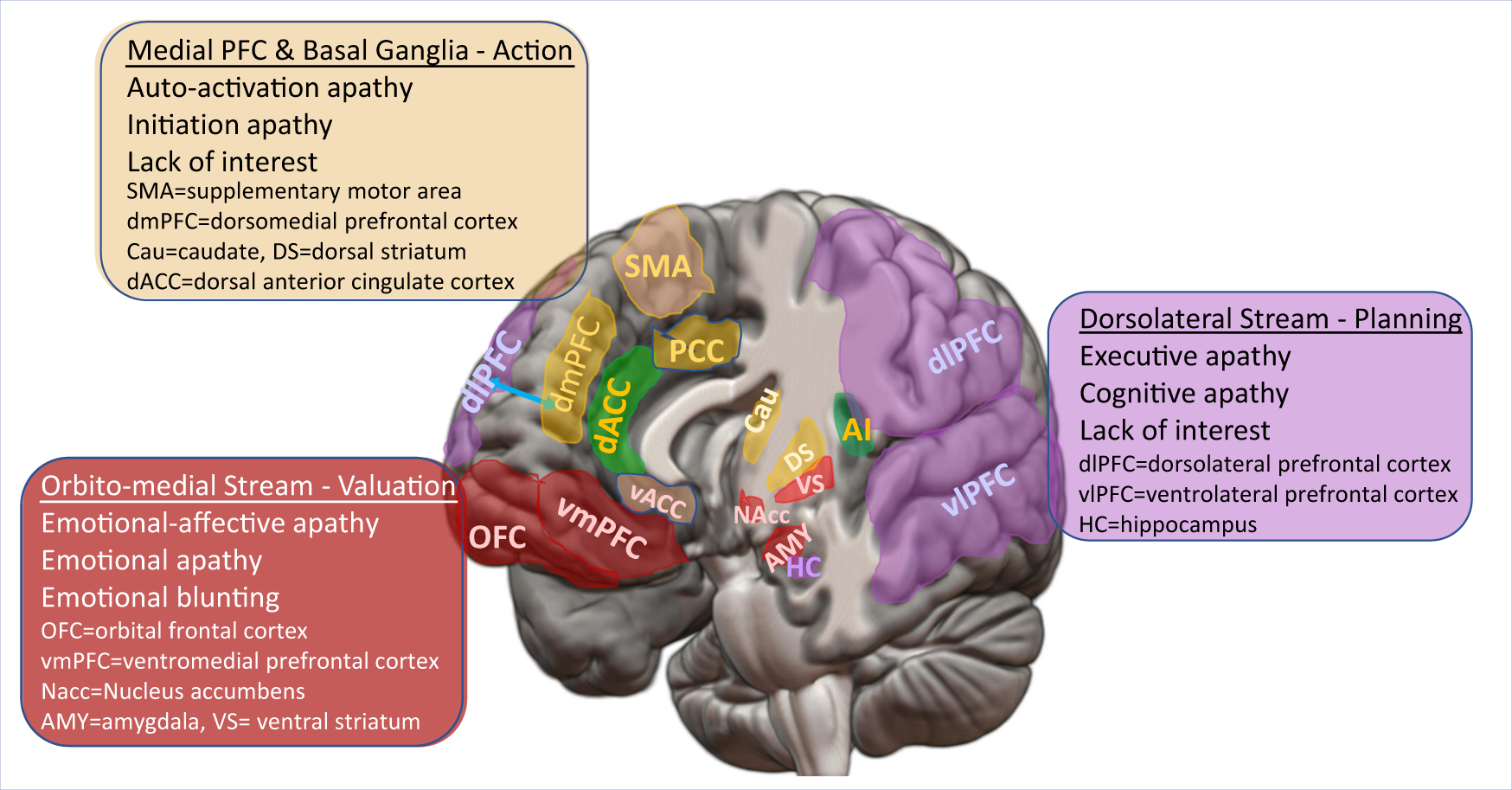
Damage to specific brain areas affects feelings and actions. These areas control motivation, decision-making, and emotion. When they do not work well, people may seem uninterested or less active. Scientists study these brain changes to find better care methods.
Neurological Factors
Dementia causes damage to parts of the brain like the frontal lobe. This area controls planning and motivation. When it is harmed, people may not start tasks or show interest. The basal ganglia, another brain part, also plays a role. It helps with movement and reward. Problems here can lower drive and energy.
Brain shrinkage and loss of nerve cells happen in dementia. These changes affect how brain areas communicate. Poor communication leads to less motivation and emotional response. Brain scans show these damages in people with apathy.
Role Of Neurotransmitters
Neurotransmitters are chemicals that send signals in the brain. Dopamine is one key neurotransmitter linked to motivation. Low dopamine levels make it hard to feel pleasure or interest. This can cause apathy in dementia patients.
Other neurotransmitters like serotonin and acetylcholine also affect mood and focus. Imbalance in these chemicals can reduce drive and attention. Medicines sometimes target these to improve symptoms. Understanding these chemical changes helps in managing apathy better.
Psychological And Environmental Triggers
Apathy in dementia is often linked to several psychological and environmental triggers. These factors can reduce interest, motivation, and emotional response. Understanding these triggers helps in managing apathy better.
Depression And Anxiety
Depression and anxiety commonly affect people with dementia. These conditions lower energy and cause feelings of sadness or worry. Such emotions reduce the desire to engage in activities. This leads to less communication and withdrawal from others. Treating depression and anxiety may help lessen apathy symptoms.
Social Isolation
Loneliness and lack of social contact worsen apathy in dementia. Without regular interaction, people lose interest in daily tasks. Social isolation can make the person feel forgotten or unimportant. Group activities and visits help keep the mind active and boost motivation.
Environmental Stressors
Changes in surroundings can confuse and upset those with dementia. Loud noises, clutter, or unfamiliar places increase stress levels. Stress causes the brain to shut down some emotional responses. A calm, familiar environment supports better mood and reduces apathy.
Medical Conditions Influencing Apathy
Apathy is common in people with dementia. Medical issues can make this feeling worse. These health problems affect the brain and body. They change how a person feels and acts. Understanding these causes helps in managing apathy better.
Some medical conditions overlap with dementia symptoms. They add to the lack of interest or emotion. Others come from the medicines used to treat dementia. Both play a role in increasing apathy.
Coexisting Health Issues
Many people with dementia also have other illnesses. Conditions like heart disease or diabetes affect brain health. These illnesses reduce energy and motivation. They make it hard to stay active or alert.
Depression is another common problem. It shares symptoms with apathy and worsens them. Pain from arthritis or other chronic diseases also lowers interest in activities. Treating these problems can help reduce apathy signs.
Medication Side Effects
Medicines for dementia and other conditions can cause apathy. Some drugs slow brain activity or cause tiredness. This leads to less engagement and emotion. Antipsychotics, sedatives, and some antidepressants often cause these effects.
Adjusting medications with a doctor can improve apathy. It is important to watch for side effects. Proper medicine use supports better mood and energy.
Behavioral And Therapeutic Approaches
Apathy is common in dementia and affects daily life. Behavioral and therapeutic approaches can help reduce apathy. These methods focus on encouraging activity and improving mood. They support people with dementia in feeling more involved and motivated.
Activity Engagement Strategies
Engaging in simple activities helps fight apathy. Tasks like gardening, folding clothes, or walking can spark interest. Activities should match the person’s skills and preferences. Small successes build confidence and encourage more participation. Regular routines provide structure and reduce confusion.
Cognitive Stimulation
Cognitive stimulation involves exercises that challenge the brain. Puzzles, memory games, and storytelling boost thinking skills. These activities help maintain mental function and reduce withdrawal. Group sessions also promote social interaction and reduce loneliness. Consistent mental engagement slows apathy’s progress.
Psychosocial Interventions
Psychosocial interventions focus on emotions and social needs. Support groups and counseling provide a safe space to express feelings. Positive feedback and encouragement improve mood and self-esteem. Caregivers trained in empathy can better support emotional health. Building social connections decreases isolation and apathy.
Pharmacological Treatments
Apathy in dementia is a common and challenging symptom. It means a loss of interest or motivation in daily activities. Treating apathy is important to improve quality of life. Medicines can help manage apathy by targeting brain chemicals. This section covers current and new drug options for apathy in dementia.
Current Medications
Doctors often use cholinesterase inhibitors to treat apathy. These drugs help increase brain chemicals related to memory and thinking. Examples include donepezil and rivastigmine. Some patients may see small improvements in motivation and engagement. Another option is memantine. It works on a different brain system to protect nerve cells.
Antidepressants may also help if apathy comes with depression. Selective serotonin reuptake inhibitors (SSRIs) are common choices. These drugs can improve mood and energy. The effects on apathy alone are less clear. Each medicine has possible side effects. Doctors weigh benefits and risks before prescribing.
Emerging Therapies
Research continues to find better treatments for apathy. New drugs target dopamine, a chemical linked to motivation. These medicines aim to boost interest and activity. Some early studies show promise in reducing apathy symptoms. Other therapies focus on brain stimulation techniques. These methods may improve brain function and mood.
Scientists also explore drugs that affect multiple brain systems. These may work better than single-target medications. Clinical trials are ongoing to test safety and effectiveness. Advances in understanding apathy’s causes lead to better drug designs. Future treatments could offer more relief for people with dementia.
Supporting Caregivers
Caring for someone with dementia and apathy is hard. It takes patience and skill. Supporting caregivers helps both the patient and the caregiver. It improves daily life and reduces stress. Small changes can make a big difference.
Caregivers need tools to communicate well. They also need ways to manage their own stress. Both are important to provide good care. Below are key methods to support caregivers.
Communication Techniques
Use simple words and short sentences. Speak slowly and clearly. Give one instruction at a time. Use gentle tone and eye contact. Non-verbal cues like a smile help too. Repeat or rephrase if needed. Avoid asking too many questions. Be patient and listen carefully. Show understanding even if the person does not respond.
Managing Caregiver Stress
Take breaks often to rest your mind. Ask for help from family or friends. Join support groups to share feelings. Practice deep breathing or meditation daily. Keep a healthy diet and exercise regularly. Set small, realistic goals each day. Accept that some days will be harder. Focus on what you can control. Caring for yourself helps you care better.
Credit: www.nature.com
Credit: www.psychiatrictimes.com
Frequently Asked Questions
What Are The Main Causes Of Apathy In Dementia?
Apathy in dementia is mainly caused by brain changes affecting motivation. Damage to the frontal lobes disrupts emotional and goal-directed behavior. Neurochemical imbalances also reduce interest and initiative. These combined effects lead to decreased engagement in activities and social withdrawal.
How Does Dementia Affect Motivation And Emotions?
Dementia alters brain regions responsible for motivation and emotions. It reduces dopamine levels, which are crucial for reward and pleasure. This results in less interest in activities and emotional flattening. Consequently, people with dementia often appear indifferent or unresponsive.
Can Apathy In Dementia Be Treated Or Managed?
Yes, apathy in dementia can be managed with a combination of approaches. Behavioral therapies encourage engagement in activities. Medications may help improve motivation. Creating a structured routine and social interaction also support better emotional involvement.
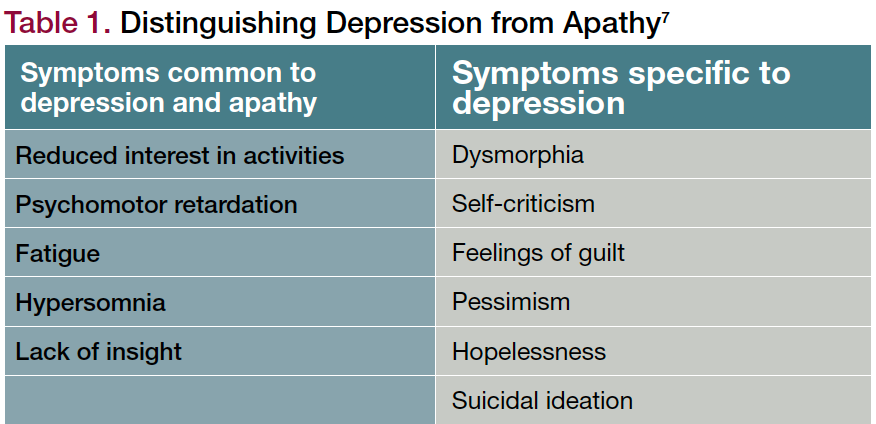
Is Apathy Different From Depression In Dementia Patients?
Apathy and depression share symptoms but are distinct. Apathy involves lack of motivation without sadness. Depression includes persistent sadness and feelings of hopelessness. Proper diagnosis is essential for effective treatment and care strategies.
Conclusion
Apathy in dementia happens because of changes in the brain. These changes affect emotions and motivation. People may seem less interested or less active. Understanding these causes helps caregivers respond better. Small actions can make a big difference. Patience and support are very important.
This knowledge brings hope and care to those affected. It helps create a kinder, gentler environment. Everyone can learn to provide comfort and help. This makes daily life easier for both patients and families.


 English (Canada)


