Have you ever felt completely drained of motivation, like nothing really matters anymore? That heavy sense of indifference is called extreme apathy, and it can take over your life without warning.
You might wonder why you suddenly don’t care about things that used to excite you. Understanding what causes this deep lack of interest is the first step to regaining control and finding joy again. Keep reading to discover the surprising reasons behind extreme apathy—and what you can do to fight back.
Signs Of Extreme Apathy
Extreme apathy shows itself in clear ways. It affects how a person feels, acts, and connects with others. Recognizing these signs helps understand the deeper issue. Here are the main signs of extreme apathy to watch for.
Emotional Numbness
People with extreme apathy often feel empty inside. They do not react to happy or sad events. Their feelings seem dull or missing. This emotional numbness makes life seem colorless and flat.
Loss Of Motivation
Tasks that once felt important lose their appeal. Getting out of bed or finishing work feels hard. Goals and dreams no longer inspire action. This lack of drive can impact everyday life deeply.
Social Withdrawal
People may stop seeing friends or joining activities. They avoid conversations and prefer to be alone. Social withdrawal can lead to loneliness and isolation. It is a common sign of deep apathy.
Credit: www.choosingtherapy.com
Biological Factors
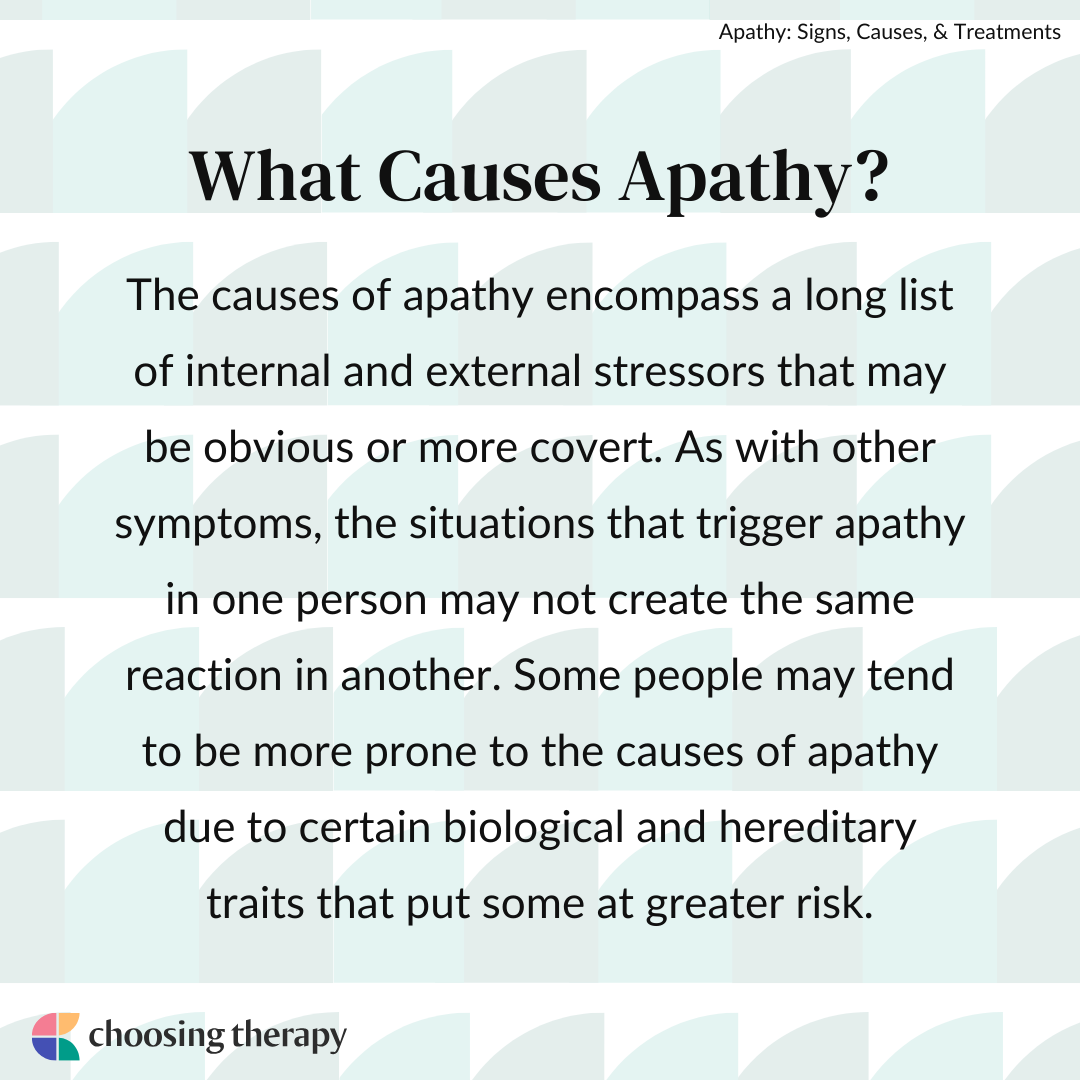
Extreme apathy can stem from many causes. Biological factors play a big role in how people feel and act. These factors affect the brain and body directly. They change mood, energy, and motivation. Understanding these helps explain why apathy happens.
Some biological changes make it hard to care or feel interest. This section looks at key biological reasons behind extreme apathy.
Brain Chemistry Imbalances
The brain uses chemicals to send messages. These include dopamine, serotonin, and norepinephrine. Imbalances in these chemicals can lower motivation and pleasure. A lack of dopamine often causes low energy and interest. Serotonin problems can lead to sadness and apathy. These chemical shifts disrupt normal feelings and actions.
Neurological Disorders
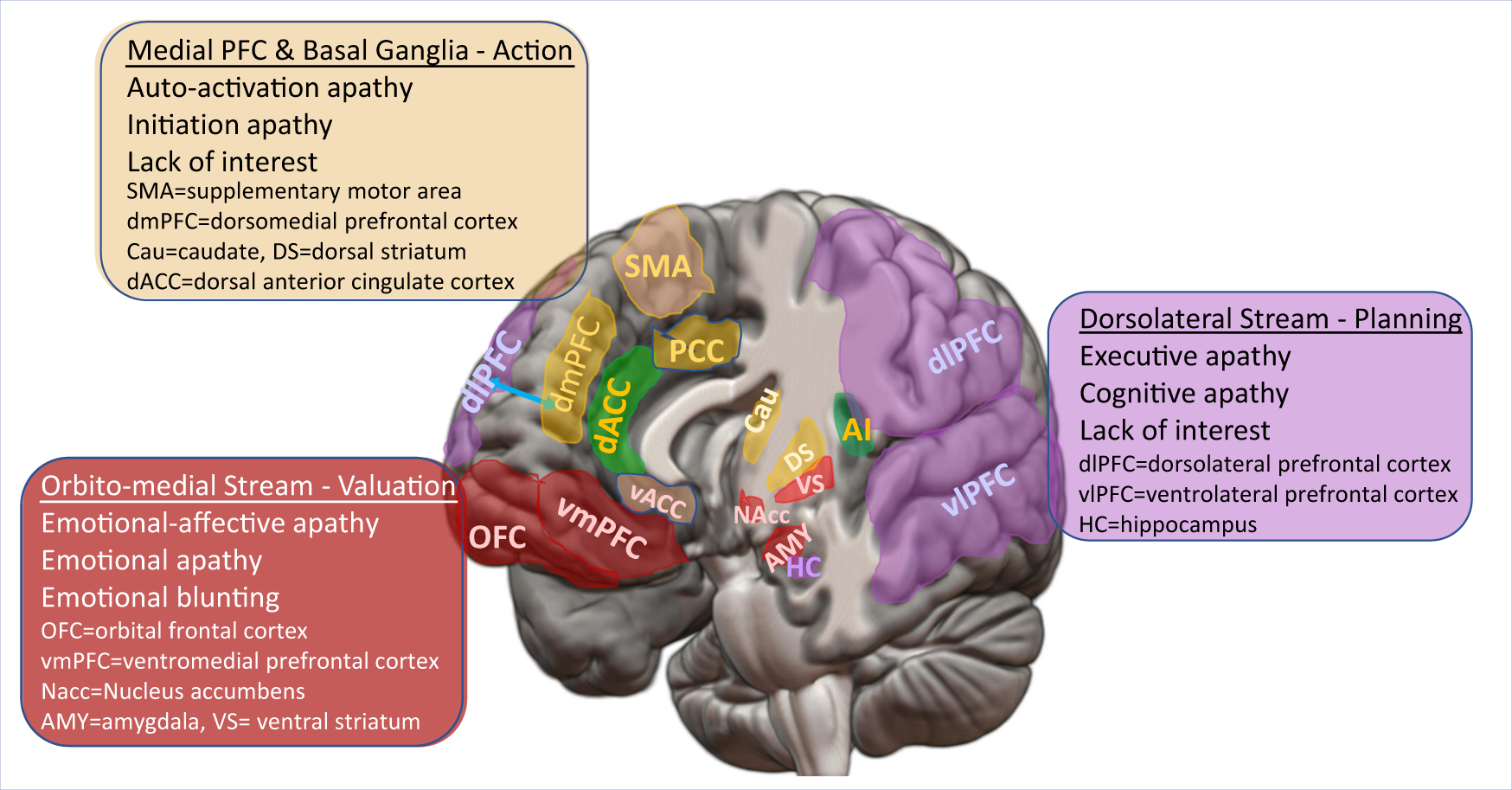
Diseases like Parkinson’s and Alzheimer’s affect the brain deeply. These disorders damage brain areas that control emotion and motivation. This damage can cause severe apathy. People may feel tired of trying or lose interest in daily life. Neurological problems change how the brain works and feels.
Hormonal Changes
Hormones influence mood and energy. Changes during puberty, pregnancy, or menopause can cause apathy. Thyroid problems also affect hormone balance. Low thyroid levels often lead to tiredness and lack of interest. Hormonal shifts alter brain signals and emotions.
Psychological Triggers
Extreme apathy often links to psychological triggers. These triggers affect how people feel and act daily. Understanding these mental causes helps in managing apathy better. The mind plays a big role in causing lack of interest or emotions.
Many mental health issues can cause extreme apathy. These issues affect energy, mood, and motivation. Below are common psychological triggers that lead to strong feelings of apathy.
Depression And Anxiety
Depression causes deep sadness and loss of interest. It drains energy and hope for the future. Anxiety brings constant worry and fear. Both conditions lower motivation and make tasks feel heavy. Together, they create a strong sense of emptiness and detachment.
Trauma And Stress
Trauma from past events can numb emotions. Stress overloads the brain with worry and tension. This overload can shut down emotional responses. People may feel disconnected from their feelings and surroundings. Apathy becomes a shield to avoid pain and discomfort.
Chronic Fatigue
Chronic fatigue means long-term tiredness that rest does not fix. It weakens the body and mind. When exhausted, the brain loses the drive to engage. This exhaustion dulls emotions and interest. Apathy often follows as the mind tries to save energy.
Environmental Influences
Extreme apathy can grow from many outside factors. The environment around a person shapes their feelings and energy. Negative surroundings can drain motivation and joy.
Understanding environmental causes helps find ways to improve mood and interest. Some key influences include relationships, work, and social life.
Toxic Relationships
Toxic relationships harm mental health deeply. Constant criticism or neglect wears down emotions. It causes people to shut off and stop caring. Feeling trapped with no support leads to numbness and apathy.
Emotional abuse makes it hard to feel hope or joy. It lowers self-worth and energy. Breaking free or seeking help can reduce these feelings.
Workplace Burnout
Long hours and heavy stress at work cause burnout. This leaves people feeling empty and exhausted. Tasks that once felt rewarding seem pointless. Burnout kills passion and motivation fast.
Pressure to perform without rest leads to mental fatigue. Over time, it dulls emotions and desire. Taking breaks and setting limits can ease burnout.
Isolation And Loneliness
Being alone too much affects the mind strongly. Loneliness makes people lose interest in activities. Without social contact, emotions fade and feel dull. Isolation cuts off chances for support and fun.
Humans need connection to stay emotionally healthy. Lack of it can cause deep apathy and sadness. Reaching out or joining groups helps fight these feelings.
Lifestyle Contributors
Lifestyle choices play a big role in causing extreme apathy. Daily habits affect energy levels and mood. Unhealthy routines can drain motivation and interest.
Changing small habits may help improve feelings and reduce apathy.
Poor Sleep Habits
Sleep affects brain function and emotional health. Poor sleep leads to tiredness and low energy. It makes it hard to feel motivated or care about things. Lack of rest can increase feelings of apathy and sadness. Good sleep supports focus and positive feelings.
Unhealthy Diet
Food fuels the body and brain. Eating too much junk food or sugar lowers energy. Nutrient-poor diets can cause mood swings and tiredness. Missing vitamins and minerals hurts brain health. Balanced meals with fruits, vegetables, and protein boost energy and reduce apathy.
Lack Of Physical Activity
Exercise helps the body release chemicals that improve mood. Sitting too much can make you feel sluggish and tired. Moving regularly improves energy and motivation. Physical activity reduces stress and lifts spirits. Even short walks help fight feelings of apathy.

Credit: www.choosingtherapy.com
Hidden Medical Conditions
Extreme apathy often hides behind medical issues that go unnoticed. These hidden medical conditions affect energy, mood, and motivation. Many people feel tired and uninterested without knowing why. Understanding these causes helps find proper treatment and relief.
Thyroid Disorders
The thyroid gland controls energy and mood. When it works poorly, it causes extreme fatigue and apathy. Hypothyroidism, or low thyroid hormone, slows down the body. People feel tired, sad, and lose interest in activities. Treating thyroid disorders can improve energy and mood quickly.
Vitamin Deficiencies
Vitamins keep the brain and body healthy. Lack of vitamin B12 or vitamin D can cause apathy. These vitamins help nerves work well and keep mood stable. Without enough vitamins, people feel weak and uninterested. Simple blood tests can detect these deficiencies for easy treatment.
Chronic Illnesses
Long-term diseases like diabetes, heart disease, or arthritis drain energy. Chronic illnesses cause constant discomfort and stress. This stress lowers motivation and leads to apathy. Managing these illnesses with care reduces symptoms and improves feelings of interest and energy.
Impact On Daily Life
Extreme apathy affects many parts of daily life. It makes simple tasks feel hard. People lose interest in things they once enjoyed. This lack of feeling or care can cause problems at work, home, and inside the mind.
Decreased Productivity
Extreme apathy lowers work output and focus. Tasks take longer or get left unfinished. Motivation to start new projects disappears. This can harm careers and cause stress. Everyday chores also feel like big challenges.
Relationship Struggles
Apathy creates distance between people. Loved ones may feel ignored or unimportant. Conversations become short or rare. Emotional connection weakens over time. This can lead to arguments or loneliness.
Mental Health Decline
Extreme apathy often signals deeper mental health issues. It can worsen depression and anxiety. Lack of care stops people from seeking help. Negative thoughts grow stronger and harder to fight. This cycle makes recovery more difficult.
When To Seek Help
Extreme apathy can affect daily life and mental health deeply. Knowing when to seek help is important for recovery and support. Early action can prevent worsening symptoms and improve well-being. This section explains key signs, professional help options, and simple self-help tips.
Warning Signs
Feeling no interest in activities you once enjoyed is a major sign. Difficulty making decisions or focusing can also show apathy. Losing motivation to care about work, friends, or family is serious. Persistent tiredness and withdrawal from social life are red flags. If these signs last weeks or worsen, it’s time to seek help.
Professional Support Options
Doctors and therapists can diagnose the cause of apathy. They offer treatments like counseling or medication if needed. Mental health professionals understand how to guide recovery. Support groups provide connection and shared experiences. Early professional help improves chances of feeling better faster.
Self-help Strategies
Start with small daily goals to regain motivation. Exercise, even a short walk, can boost mood. Keep a simple routine to add structure to your day. Talk to trusted friends or family about your feelings. Avoid alcohol and drugs as they can worsen apathy. These small steps support professional care and speed recovery.
Credit: www.nature.com
Frequently Asked Questions
What Are Common Causes Of Extreme Apathy?
Extreme apathy often stems from mental health issues like depression or anxiety. It can also result from chronic stress, trauma, or neurological conditions. Lifestyle factors such as poor sleep and lack of social support contribute as well.
How Does Depression Lead To Extreme Apathy?
Depression disrupts brain chemistry, reducing motivation and interest. This causes emotional numbness and a lack of energy. As a result, individuals feel detached and indifferent toward activities they once enjoyed.
Can Medical Conditions Cause Extreme Apathy?
Yes, conditions like Parkinson’s disease, Alzheimer’s, and stroke affect brain function and lead to apathy. Hormonal imbalances and vitamin deficiencies can also contribute to decreased emotional response and motivation.
How Is Extreme Apathy Treated Effectively?
Treatment depends on the cause and may include therapy, medication, or lifestyle changes. Counseling helps address emotional issues, while medications target underlying conditions. Regular exercise and social engagement improve overall mood and motivation.
Conclusion
Extreme apathy often signals deeper emotional or physical issues. Stress, depression, or illness can drain motivation and energy. Understanding these causes helps in finding the right support. Small steps towards self-care can make a difference. Talking to a doctor or counselor can guide recovery.
Remember, feeling apathetic is not a personal failure. Many people experience it at some point. Taking action early can improve your mood and life. Stay aware of changes in your feelings. Help is available, and you do not have to face this alone.


 English (Canada)